
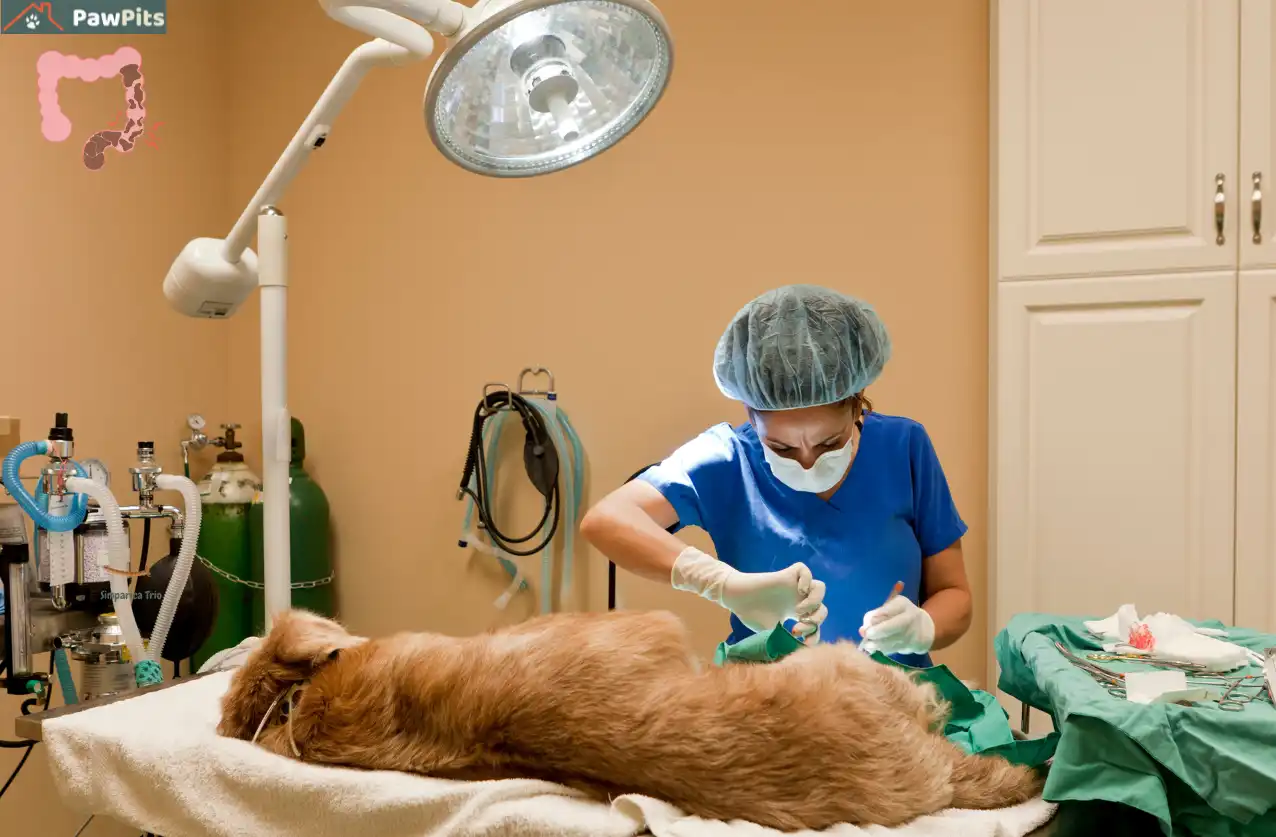
The night my dog went in for intestinal blockage surgery is one I’ll never forget.
If you’ve ever sat in your car outside an emergency vet, clutching your phone, waiting for a call that could change everything, you know that sick, hollow feeling in your chest. I remember staring at my hands and thinking, What are the chances she’ll make it?
That’s when the word “survival rate” started echoing in my mind. I didn’t want to Google it, but of course I did. And while the numbers gave me some comfort, they never told the whole story. So here’s mine, the human side of what those statistics actually mean when it’s your dog on the table.
When the World Shrinks to a Waiting Room
It started like a dozen “false alarms” before it, my golden retriever, Daisy, threw up after dinner. She skipped breakfast the next morning. By lunchtime, she was pacing, panting, and wouldn’t settle down. My gut screamed something’s wrong.
If you ever find yourself wondering whether your dog’s symptoms might be the start of a blockage, you can read my guide on Dog Intestinal Blockage Timeline: 7 Warning Signs to Act Fast
By the time we got to the emergency vet, the X-rays made it clear: a chunk of her rope toy had lodged deep in her intestine. Surgery was the only option.
The vet tried to sound calm, but I caught that careful tone, the one doctors use when they’re trying to prepare you without making you fall apart. He mentioned that “most dogs do really well,” and that the dog intestinal blockage surgery survival rate was high, around ninety percent in early cases.
But when you’re sitting there signing consent papers, numbers don’t feel like comfort. They feel like math applied to love.
The Longest Three Hours of My Life
I remember counting minutes like they were hours. The surgery started just after 6 p.m. I kept replaying every mistake in my head, the toy she’d chewed, the moment I didn’t take it away. The what-ifs hurt more than anything.
Then, just when I thought I couldn’t breathe another second, the vet walked out with a small tired smile.
“She made it,” he said. “We got it out cleanly. No tissue damage.”
That sentence still gives me chills. Daisy’s blockage was caught before the intestine lost blood flow, which, I learned later, makes all the difference. Dogs who go into surgery early, before things start breaking down inside, have the best odds. Some studies say survival rates can reach 95% in those cases. Once infection sets in or parts of the intestine have to be removed, it drops sharply.
In other words: time is everything.
For a deeper look at how blockages form and what makes each case different, check out Intestinal Blockage for Dogs.
The First Night After Surgery
When I saw her post-op, she looked so small under that blanket, an IV line in her leg, her belly shaved with a neat pink line of stitches. She was still groggy, but when she heard my voice, her tail thumped once.
That tiny thump was the best sound I’d ever heard.
The vet warned me that the first 48 hours are critical, not because the surgery itself usually fails, but because infection, dehydration, or leakage can appear without warning. I barely slept that night, waiting for the update that she was still okay.
By morning, the nurse texted: “She ate a little boiled chicken and kept it down.”
That was when I finally let myself cry.
The Days That Followed, and the Quiet Fear That Lingered
Daisy came home two days later with a belly full of staples and a strict list of “don’ts.”
No running, no stairs, no toys, no excitement, basically, nothing she considered “life.” I made a little den for her with soft blankets, carried her outside for bathroom breaks, and spoke in that overly gentle voice dog parents use when they’re terrified to break something fragile.
She healed slowly. I learned to watch her belly like a hawk, to celebrate every meal she kept down, and to stop panicking at every nap that looked “too long.”
But here’s what I didn’t expect: even after she recovered physically, I didn’t.
Every time she sniffed a toy or went quiet for more than an hour, that familiar panic crept back. Once you’ve seen your dog so close to the edge, that fear becomes part of you.
What I Learned About Survival, Beyond the Numbers
Weeks later, when Daisy was finally back to chasing tennis balls (safe, vet-approved ones), I started reading more, not out of fear anymore, but curiosity.
Here’s what I wish someone had told me before it happened:
- The survival rate is just a snapshot, not a sentence.
It doesn’t measure how loved your dog is, how early you acted, or how capable your vet is. Most dogs survive intestinal blockage surgery, yes, but survival isn’t just luck. It’s action. - Surgery is not always the hardest part, recovery is.
The first week at home can make or break their progress. If you follow every single instruction, feeding schedule, rest limits, medication timing, you’re stacking the odds in their favor more than any statistic could. - Not all surgeries are equal.
Some dogs just need a small incision to remove the object (that’s called an enterotomy). Others need part of their intestine removed (resection and anastomosis). The latter carries a lower survival rate, around 70–80%, mostly because it’s longer, riskier, and infection-prone. Daisy, thankfully, only needed the simpler type. - Emotions matter more than you think.
Dogs feed off our energy. I swear Daisy healed faster when I stopped hovering and started believing she’d be okay. - Prevention is worth every second.
The day Daisy came home, I threw out every toy that could unravel, every rope, every chewable plush. I replaced them with tough rubber and puzzle feeders. She’s alive, but the lesson cost us both a few years of peace.
How I See Survival Rates Now
When I hear people talk about “dog intestinal blockage surgery survival rate,” I don’t picture numbers anymore.
I picture Daisy, her shaved belly, her sleepy eyes, her tiny tail wag, and I remember that survival isn’t measured by math. It’s measured by time, timing, and the love that keeps you awake through the night waiting for good news.
She’s been two years blockage-free now. And yes, sometimes I still overreact when she coughs or skips a meal. But that’s okay. It means I remember. It means I care.
If you’re reading this in the middle of that awful waiting period, waiting for updates, waiting for news, please hold on. The odds are on your side, and so are all of us who’ve sat in that same cold chair, whispering silent promises to our dogs.
Because sometimes, 90% isn’t just a statistic.
It’s your miracle.