
When my dog, Cooper, got sick last spring, I almost made a mistake that could have cost him his life.
He was acting a little off , not his usual goofy self, skipping dinner, sleeping more than usual. I watched him like a hawk all evening, waiting for something that would tell me if it was serious.
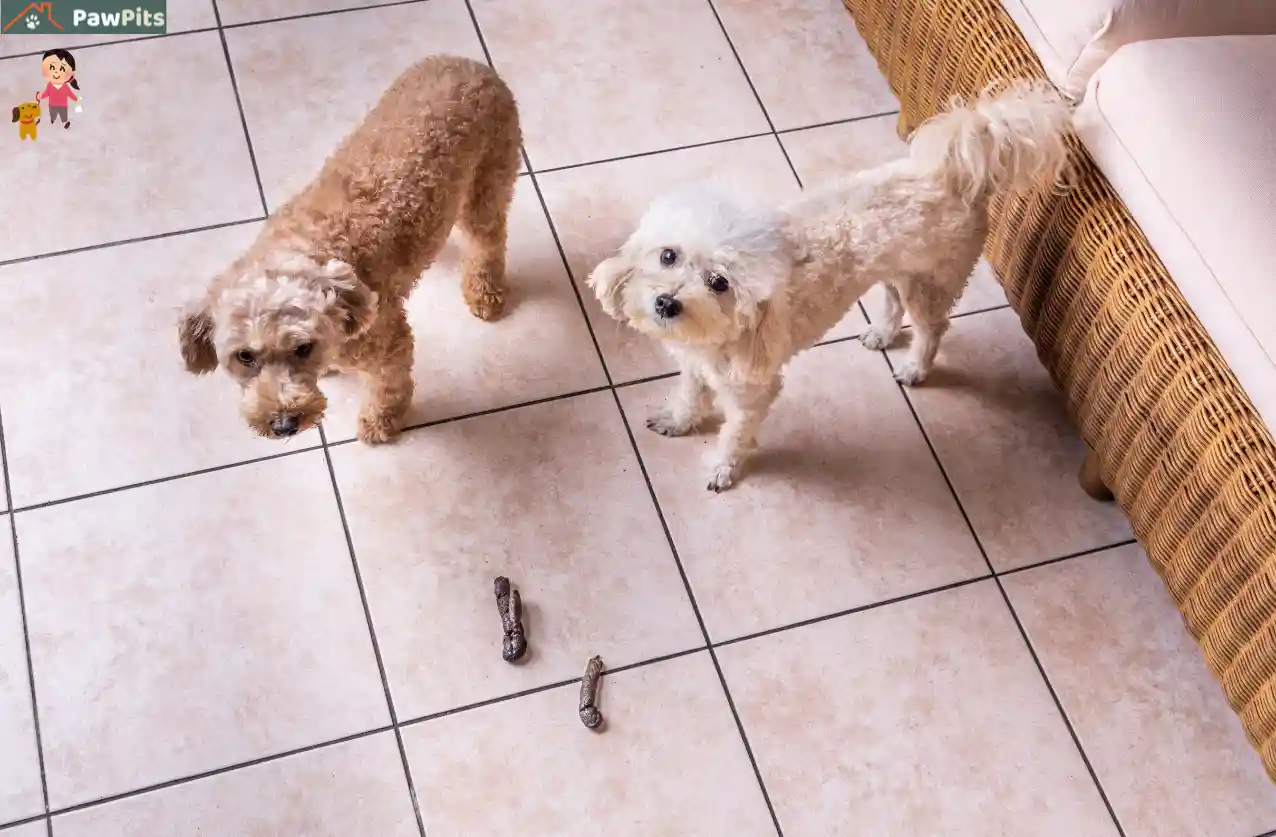
And then, the next morning, he pooped.
That tiny pile in the backyard made me breathe again. “He’s fine,” I told myself. “If he can poop, it’s not a blockage.”
I was wrong. So, so wrong.
The Day I Got It Wrong
Cooper had always been my shadow , the kind of dog who insists on being part of everything, especially cooking. That day, he’d stolen something from the counter, a piece of rubber from an old oven mitt. I saw him chew it, but thought he’d dropped it. Turns out, he didn’t.
The next day he vomited twice, but later he went outside and had what looked like a normal bowel movement. That’s what fooled me. I thought it couldn’t be serious if things were “moving.”
By the third day, he refused breakfast again. He paced, stretched, and made those quiet groans dogs do when they’re uncomfortable. But because I’d seen him poop, I told myself it was just an upset stomach.
Looking back, I realize that false reassurance , that little bit of poop , was the most dangerous sign of all.
The Misleading Sign , “But He’s Still Pooping!”
If you’ve ever wondered can a dog still poop with a blockage? , the answer is yes, and that’s exactly why so many owners get caught off guard.
What I didn’t know then is that dogs with partial blockages can still pass stool for a while. Liquids, soft food, or even bits of poop can slip around the trapped object. It gives the illusion that everything’s okay, when inside, pressure is quietly building.
The vet later explained it to me in a way that stuck:
“Think of your dog’s intestines like a garden hose,” she said. “If something’s stuck inside, water might still trickle through at first. But the blockage doesn’t move, and eventually, the pressure behind it builds until the hose bursts.”
That’s exactly what was happening inside Cooper. He was still pooping , just barely , but his gut was struggling.
The Vet Visit That Changed Everything
By day four, things shifted fast. Cooper stopped eating completely. He vomited up yellow bile, then foam, then just heaved. His belly looked tighter. That was the moment my gut screamed Go. Now.
At the clinic, the vet gently pressed on his abdomen and frowned. “He’s painful,” she said. They took X-rays, and there it was , a dark shadow sitting in his intestines. That missing piece of the oven mitt.
I’ll never forget the vet showing me the screen: you could see a small bubble of gas, stool behind it, and then nothing. “He’s still been able to pass some stool,” she said, “but it’s only what’s slipping around the obstruction. The blockage is still there.”
Hearing that made my stomach drop. I’d been celebrating every bit of poop as a “good sign,” while inside, his intestines were inflamed and stretching dangerously.
The Turning Point
They admitted him right away for surgery. I sat in the car outside the clinic , same parking lot I’d parked in a dozen times for vaccines and nail trims, but it felt different now.
When you’re waiting for that call, time becomes meaningless.
Three hours later, the vet finally called:
“We got it out. His intestine was irritated, but it hadn’t ruptured. You brought him just in time.”
Just in time.
Those three words haunted me later. What if I had waited another day? Or even another night?
That’s the thing with partial blockages , they pretend to be harmless until they’re not. One shift, one swelling loop of intestine, and everything stops. Dogs can go from “still pooping” to “critical emergency” in less than twenty-four hours.
What I Learned the Hard Way
After Cooper came home, stitched and sleepy, I spent a lot of time replaying it all , and talking with the vet about how I’d missed the warning signs.
Here’s what she told me, and what I tell every dog parent now:
- Yes, dogs can still poop with a blockage.
Especially partial ones. What comes out might be soft, runny, or small, but that doesn’t mean things are fine. - Poop doesn’t equal progress.
Passing stool doesn’t mean the object has moved , it means the intestine is squeezing harder to push past it. - The signs that matter most aren’t in the poop.
Watch for loss of appetite, vomiting, pain when touched, tight belly, and unusual posture. Those are the red flags. - If you’re unsure, assume the worst and call your vet.
X-rays and ultrasounds are the only way to know for sure. Waiting is what turns “manageable” into “life-threatening.” - Act early, even if you feel dramatic.
I’d rather be the over-reactive owner at the vet than the one whispering “I should’ve come sooner.”
The Recovery and the Guilt
Cooper’s recovery went smoothly, but emotionally, it took longer for me than for him. He was wagging his tail again within days; I was still flinching every time he coughed or skipped a meal.
I kept thinking about that first day , how sure I’d been that poop meant “safe.” It’s such a normal, comforting thing to see. You think, if food’s going in and something’s coming out, we’re good. But dogs don’t work that simply. Their bodies are incredible at hiding distress until it’s almost too late.
When the vet cleared him two weeks later, she smiled and said, “He’s a lucky boy.”
I said, “No , I’m the lucky one.”
The Vet’s Explanation That Finally Made Sense
During Cooper’s checkup, I asked why blockages sometimes let poop pass. She drew a quick sketch on a notepad: a long line with a small dot in the middle.
“This is the intestine,” she said. “Here’s the blockage. Everything behind it keeps moving and building up. Some liquid stool squeezes around it, so you might still see poop or even diarrhea , but it’s just the body’s way of trying to relieve pressure.”
Then she underlined the space behind the dot.
“This is where the danger grows. That pressure reduces blood flow. The intestine starts dying from the inside out. That’s why early surgery saves lives.”
It was simple, and it stuck. Pooping doesn’t mean they’re fine , it means their body’s fighting hard not to fail.
What I Tell Dog Parents Now
If you ever find yourself where I was , standing in your yard, feeling relieved because your sick dog finally pooped , please don’t let that be the reason you wait.
It doesn’t mean the blockage is gone. It might mean it’s getting worse.
I’ve talked to other owners who’ve said the same thing: “He was still pooping, so I thought it couldn’t be serious.” And in every story, the dog ended up in surgery anyway.
So here’s my short version of the truth:
- Yes, dogs can still poop with a blockage.
- No, it doesn’t mean they’re okay.
- Yes, it’s scary , but catching it early almost always means survival.
The poop is not the proof.
From Fear to Gratitude
It’s been over a year since Cooper’s surgery, and every time he runs across the yard chasing a stick, I’m reminded how close we came. The oven mitt, by the way, was replaced with puzzle feeders and indestructible toys.
Now, when he skips a meal or looks off, I don’t look at the ground for reassurance. I look at him , his eyes, his energy, his comfort. That’s what tells the truth.
If you’re reading this because you’re scared right now, wondering if your dog’s okay because they’re still pooping , call your vet. Don’t wait for “worse.” You could be saving their life before it ever reaches that point.
And if your story ends like mine did , with stitches, sighs of relief, and a tail wagging again , hold that gratitude close. Because sometimes, a little poop hides a big problem.
And sometimes, catching it in time is the miracle.