
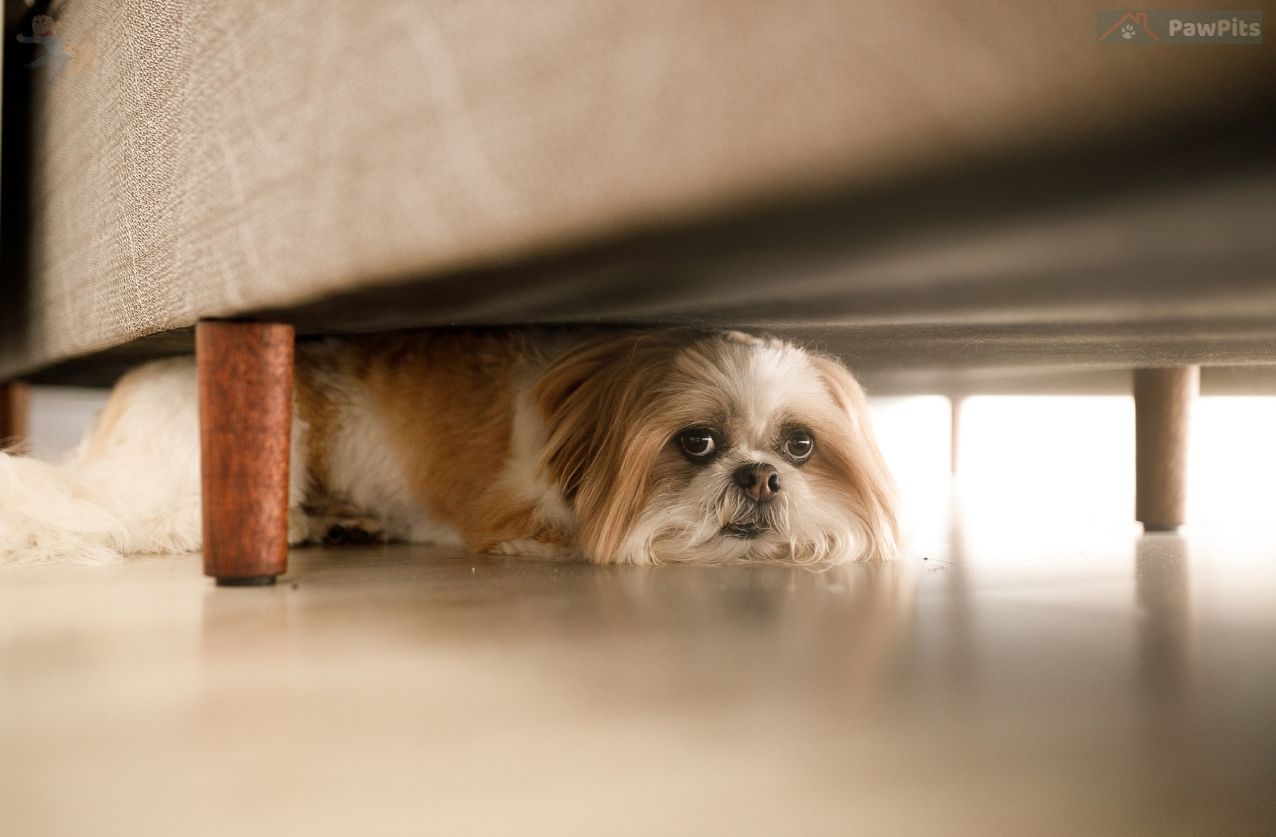
I’ll be honest. I didn’t know there was a difference for a long time.
Fear. Anxiety. Stress. I used the words interchangeably because, at the surface, my dog looked the same either way. Tense. Alert. Not relaxed.
It wasn’t until I started grooming dogs who looked calm but weren’t that the difference began to bother me. The dogs who stood still but never softened. The ones who reacted before anything actually happened.
If you’re trying to understand dog fear vs anxiety, you’re probably stuck in that same uncomfortable space. where your dog’s reactions don’t match the situation in front of them.
That mismatch is the clue.
Fear in Dogs Is Loud, But Short-Lived
Fear has edges. It’s sharp.
Something happens. a noise, a stranger, a sudden movement. and the dog reacts. Barking, pulling back, freezing, scrambling. You can usually point to the moment it started.
And here’s the part people forget: many dogs recover from fear. Not instantly, but visibly. They shake it off. They move on. Their body changes.
Fear is about what’s happening right now.
I’ve seen dogs panic on the grooming table because the dryer startled them. and then, ten minutes later, nap like nothing happened. That’s fear. Intense, yes. But contained.
Many of these symptoms are subtle, which is why they’re often missed when owners are trying to identify the early signs your dog is anxious.
Anxiety in Dogs Is Quieter. And That’s the Problem
Anxiety doesn’t need a moment.
That’s what makes it confusing.
An anxious dog is often reacting to something that isn’t currently happening. Or something that happened once. Or something that might happen again. The body stays ready, even when the room is quiet.
This is where people get stuck. You remove the trigger. You create calm. You do “everything right”. And the dog is still tense.
That’s because anxiety isn’t responding. it’s anticipating.
These dog anxiety behaviors don’t resolve cleanly. They linger. They stretch into routines. They become personality traits if no one questions them.
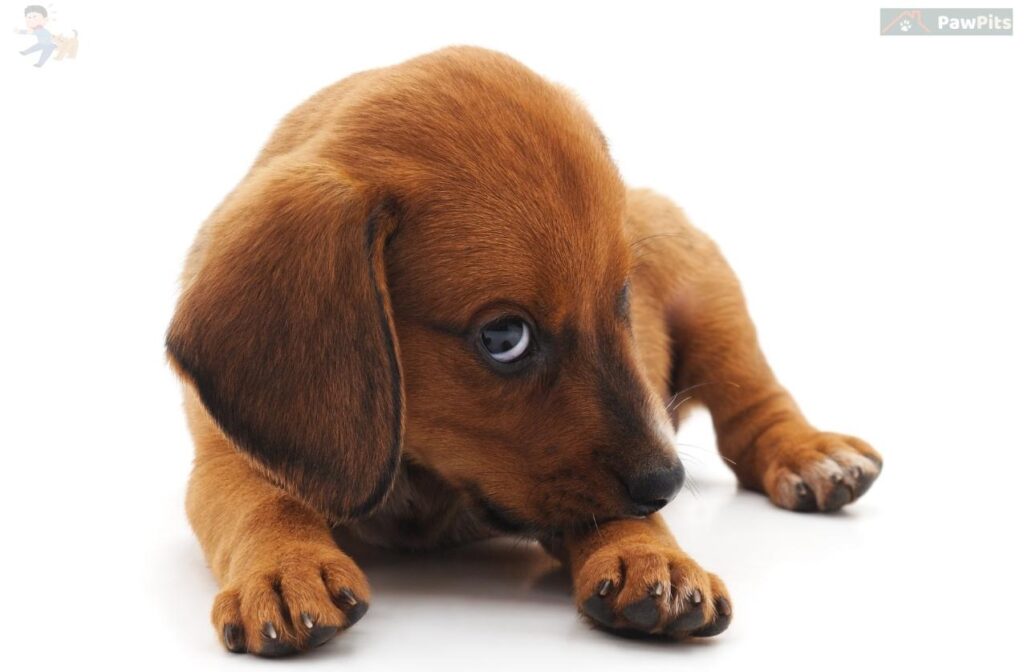
Why Mixing Up Dog Fear vs Anxiety Can Make Things Worse
I say this gently, because most people are trying to help.
If you treat anxiety like fear, you may push too fast.
If you treat fear like anxiety, you may over-manage.
A fearful dog often needs distance and choice.
An anxious dog often needs predictability and time. lots of it.
I’ve watched dogs labeled “fear aggressive” who weren’t afraid in the moment at all. They were bracing. Waiting. Their body had learned not to relax.
That’s anxiety wearing fear’s clothes.
Dogs Can Have Both (And Often Do)
This part is messy.
Fear can turn into anxiety when the scary thing keeps happening.
Anxiety can make fear explode when something small goes wrong.
They overlap. They feed each other. Trying to separate them perfectly usually isn’t helpful.
What is helpful is watching recovery time.
Does your dog come back to baseline once the moment passes?
Or do they stay alert long after nothing is happening?
That difference matters more than labels.
If You’re Not Sure What You’re Seeing
You don’t need to diagnose anything.
Just slow things down.
Watch what happens after the event. Watch how long your dog holds tension. Watch whether calm actually returns. or if it’s just quiet.
Dogs don’t stay tense without reason.
They stay tense because their nervous system hasn’t learned it’s safe again.
That’s not disobedience. It’s memory.
FAQ (if it even helps)
Is dog fear the same as dog anxiety?
No. Fear reacts to something present. Anxiety reacts to something remembered or expected. If your dog can’t relax even when nothing is happening, anxiety is likely involved.