

Your dog is sitting there looking at your breakfast bowl with those big puppy eyes . You’ve got blueberries in there and suddenly you’re wondering, “Can I just give my dog one? Will it hurt them?” I’ve been there honestly . And the answer is actually pretty straightforward, but there’s more to it than just yes or no .
Here’s the thing: blueberries are one of the few fruits that are actually good for dogs . Like, genuinely good . Not just “safe” but actually beneficial . Which is kind of amazing when you think about how many things dogs can’t eat . Chocolate? No . Grapes? Absolutely not . But blueberries? Yes . Your dog can have them .
But before you start throwing handfuls of blueberries at your dog, there are some things you need to know . Like portion sizes, how to serve them, and whether your specific dog might have issues with them . Because just because something is generally safe doesn’t mean it’s safe for every dog .
So let’s break this down properly . What blueberries actually do for your dog, how much is safe, and the best ways to serve them .
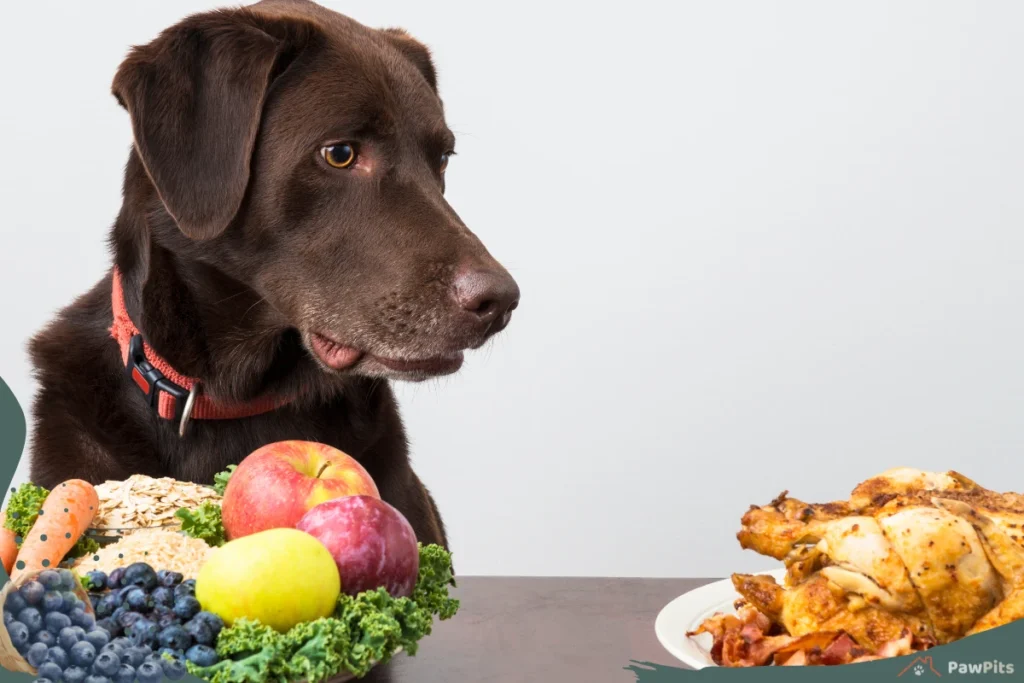
Can Dogs Actually Eat Blueberries Safely?
The short answer is yes . Your dog can eat blueberries . In fact, they’re probably one of the better fruit options you could give your dog . I mean, that’s kind of saying something when you think about all the fruits that are toxic to dogs .
Blueberries are low in calories, high in fiber, and packed with stuff that’s actually good for your dog’s body . Like, properly good . Not just marketing good, but actual nutritional good . They’ve got antioxidants, vitamins, minerals, all that stuff . And more importantly, they don’t have anything in them that’s going to hurt your dog .
But here’s where people mess up: they assume “safe” means “unlimited .” It doesn’t . Your dog can have blueberries, but it has to be in moderation . Like most things with dogs, honestly .
What Blueberries Actually Do for Your Dog
So why are blueberries good for dogs? It’s not just marketing . There’s actual stuff in them that benefits your dog’s health .
Antioxidants are the big one . Blueberries have a bunch of them, and they basically work like little bodyguards for your dog’s cells. They fight off free radicals, which are basically unstable molecules that damage cells and cause aging and disease and all that stuff . Having a dog eat foods with antioxidants means less cellular damage, which means less risk of chronic diseases . And honestly, who doesn’t want that?
The specific antioxidant that makes blueberries blue, anthocyanin, is actually really powerful . It’s been linked to better brain function, less inflammation, and better heart health . And those are things that matter for dogs, especially as they get older . If you’ve got a senior dog, blueberries might actually help keep their brain sharp, which is kind of incredible when you think about it.
Blueberries also have Vitamin C and Vitamin K in them . Vitamin C helps with immunity and reduces inflammation . Vitamin K is important for blood clotting and bone health . So basically, blueberries are like a little multivitamin in fruit form . Not a replacement for actual vitamins, but a supplement .
And then there’s fiber . Blueberries have a lot of it, which helps with digestion . Your dog’s digestive system works better when there’s enough fiber, which means better bowel movements, less constipation, better nutrient absorption . All the digestive stuff gets better, basically .
How Much Can You Actually Give Your Dog?
This is where people mess up . They see that blueberries are healthy and they start giving their dog like a whole cup . Which is too much .
The amount depends on your dog’s size . For small dogs (under 20 pounds), stick to about 2-4 blueberries per serving . Medium dogs (20-50 pounds) can have 5-10 . Large dogs (50+ pounds) can handle 10-15 . And that’s per serving, not per day, though they can have them multiple times a week if you want .
The reason for the limits isn’t because blueberries are toxic, they’re not . It’s because they have natural sugars in them . And even though blueberries have a low glycemic index (meaning they don’t spike blood sugar as much as other fruits), too much sugar is still too much . Your dog doesn’t need that much sugar, even from a healthy source .
Plus, blueberries have a lot of fiber . And if your dog isn’t used to fiber, suddenly giving them a ton of blueberries can cause digestive upset . Bloating, loose stools, that kind of thing . Which nobody wants to deal with .
Fresh vs . Frozen: Which One Should You Use?
This is actually a decent question because people don’t usually think about it .
Fresh blueberries are great because they’ve got more water content, which makes them easy to digest and hydrating . They taste better, probably, though I guess that depends on your dog . The downside is they go bad pretty quick if you don’t eat them .
Frozen blueberries last way longer and they’re a nice refreshing treat, especially in summer . The problem is they’re harder . So if you’ve got a small dog, a whole frozen blueberry might actually be a choking hazard . Which seems weird because they’re so small, but frozen stuff is different . It’s harder to chew and could get stuck .
If you’re using frozen blueberries with a small dog, either thaw them first or cut them in half . Or mash them . Your call . Large dogs usually don’t have a problem with frozen blueberries, but I’d still supervise the first time you give them to your dog, honestly .
Dried blueberries? Skip them if you can . They usually have added sugars or preservatives, which defeats the whole point of giving your dog blueberries in the first place .
Creative Ways to Serve Blueberries to Your Dog
Just giving your dog plain blueberries works fine, but there are other options if you want to mix it up .
You can freeze blueberries with plain yogurt in ice cube trays and give your dog the frozen cubes . It’s like a fancy treat . Your dog will probably think it’s amazing, honestly . Just make sure the yogurt is plain, no sugar, no xylitol . Xylitol is toxic to dogs, and some yogurts have it .
You can mix mashed blueberries with unsalted peanut butter . Both are safe for dogs, and together they make a decent treat . Though peanut butter has calories too, so don’t go crazy .
You can bake blueberry dog biscuits if you’re into that . Combine blueberries with oat flour and mashed banana, bake them into treats . Your dog will go nuts for them . And you know exactly what’s in them because you made them, which is kind of nice .
Or you can just put a few blueberries in your dog’s water bowl . Sounds weird, but it makes the water slightly flavored and your dog might drink more water, which is good for hydration .
What About Dogs with Specific Health Issues?
This is important because not every dog should eat blueberries .
If your dog has diabetes, blueberries are okay but they need to be given sparingly . The natural sugars can cause blood sugar spikes in diabetic dogs, and you don’t want that . Talk to your vet about how many is safe for your specific dog .
If your dog has a sensitive stomach or digestive issues, introduce blueberries very slowly . Like, one blueberry at a time . And wait a day or two before giving them another one . Some dogs’ digestive systems just don’t handle new foods well, and blueberries have fiber, which can upset things if your dog isn’t used to it .
If your dog is overweight and needs to lose weight, blueberries are actually decent because they’re low in calories . But they still have sugars, so moderation is still important .
And if your dog has ever had an allergic reaction to anything, introduce blueberries carefully and watch for symptoms . Allergies to blueberries specifically are pretty rare in dogs, but individual sensitivities definitely exist .
Signs Your Dog Might Be Having a Problem with Blueberries
Most dogs do fine with blueberries, but some don’t . Here’s what to watch for .
If your dog gets itchy or has red skin or ear infections after eating blueberries, that’s probably an allergic reaction . Same if they’re excessively licking themselves . Stop giving them blueberries and call your vet .
If they have digestive issues, vomiting, diarrhea, bloating, loose stools, that could be an allergy or it could just be too much fiber too fast . Try giving them fewer blueberries and see if the problem goes away .
And obviously if your dog seems to be choking or having trouble swallowing, that’s an emergency . Call your vet immediately .
But honestly, these problems are pretty rare . Most dogs just enjoy blueberries without any issues .
The Real Talk Conclusion
Blueberries are one of the better things you can give your dog as a treat . They’re healthy, your dog will probably like them, and they’re not going to hurt them when given properly .
Just remember: moderation is key . Follow the portion guidelines based on your dog’s size . Introduce them gradually so you can watch for any reactions . And if your dog has any health issues, check with your vet before making blueberries a regular thing .
Your dog can absolutely eat blueberries . Most dogs should eat blueberries, honestly . They’re good for their immune system, their brain, their digestion, all of it . Just don’t go overboard with it .
Start with a couple blueberries and see how your dog does . If they’re fine with them, great . Make them a regular treat . Your dog will be healthier for it, and you’ll feel good knowing you’re giving them something that’s actually beneficial instead of just empty calories .
That’s it . Blueberries . Your dog can have them . Give them some .
1 thought on “Can Dogs Eat Blueberries Every Day? What Experts Say”