
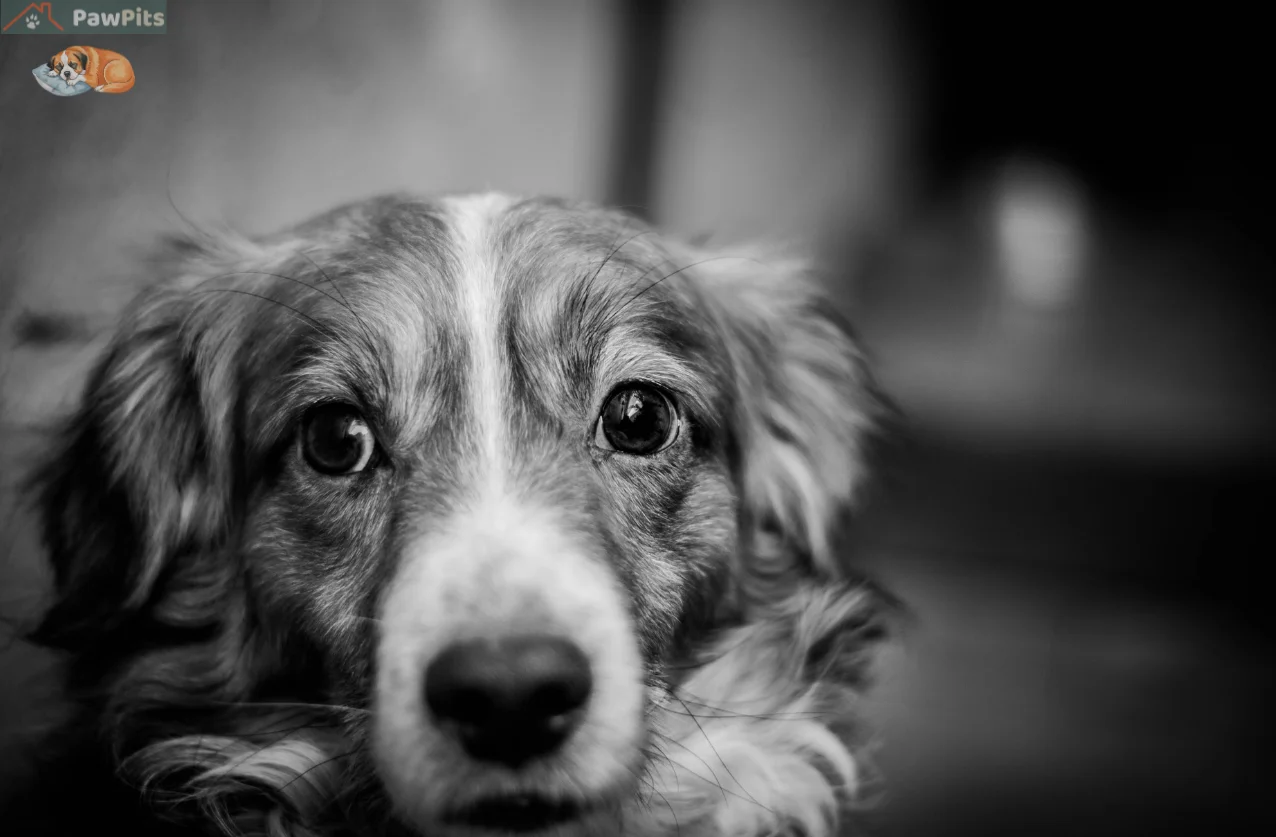
If you’ve ever looked at your dog and thought, “Something just feels… off,” you’re probably noticing the early signs of an anxious dog. And honestly, it’s more common than people admit. Some dogs wear their worries on their sleeves , trembling, pacing, whining , while others hide it so well you don’t realize they’re anxious until you catch that tiny look in their eyes. You know the one: a mix of Do you understand me? and I don’t know what to do right now.
Let’s talk honestly about what’s going on when you have an anxious dog, because the solutions aren’t always obvious, and the signs aren’t always loud.
What an Anxious Dog Actually Looks Like (It’s Not Always Drama)
People expect anxious dogs to act scared in big, dramatic ways , shaking or hiding or crying. But most anxiety shows up in small, quiet behaviors you could easily misinterpret as stubbornness or bad manners. And that’s where a lot of confusion comes from.
Sometimes an anxious dog looks like they’re “being difficult” when, in reality, they’re overwhelmed.
Subtle anxiety behaviors may include:
- Constant checking of the environment
- Light pacing without a clear purpose
- Sudden clinginess (or, strangely, avoiding you)
- Freezing when approached
- Twitchy ears, scanning, or hyper-awareness
- Slow, hesitant movements instead of normal confidence
Some dogs don’t show obvious signs until something pushes them over their stress threshold. And that threshold can be surprisingly low for certain breeds or dogs with history.
Why Dogs Become Anxious (It’s Not Always Trauma)
We often jump to the idea that an anxious dog must have been hurt or mistreated in the past. Sometimes that’s true, but not always. Anxiety in dogs can come from everyday things that build up slowly , kind of like how people can feel stressed even without a single big event.
Common reasons a dog becomes anxious:
- Inconsistent routines , dogs rely heavily on predictability
- New environments or sudden changes in the home
- Not enough mental stimulation (yes, boredom causes anxiety too)
- Genetic sensitivity , some dogs are simply wired more cautiously
- Owner emotions , dogs absorb our stress more than we admit
An anxious dog isn’t “broken” or “bad.” They’re reacting to something in their world that doesn’t feel safe or understandable.
How to Support an Anxious Dog (It’s More About Presence Than Fixing)
When you’re living with an anxious dog, the biggest mistake is trying to fix everything instantly. Anxiety rarely disappears overnight , and oddly enough, the more we rush, the more anxious the dog becomes.
Here’s what actually helps:
Be a calm, predictable presence
If you feel chaotic, your dog feels it too. Dogs anchor themselves to our emotional state. A steady tone of voice, slow movements, and consistent daily routines give them a safety net.
Reduce the pressure
An anxious dog needs space. If they hesitate, don’t push them. If they back away, let them. Pressure increases fear; choice builds confidence.
Give their brain a job
Mental exercise is massively underrated. Sniff-work, treat puzzles, slow training sessions , these give anxious dogs a sense of control and achievement.
Create environments that feel safe
This might be a quiet room, a crate with the door open, a soft blanket, or just a spot that feels “theirs.” A dog with a safe location is a dog with a reset button.
Listen to their body language
An anxious dog communicates in whispers before they scream. A lip-lick, a head turn, a stiff tail , these are requests, not quirks.
If the behaviors you’re seeing seem more intense or long-lasting, it may be part of a bigger pattern. Our guide on dog anxiety covers the broader symptoms and how they develop over time.
What Not to Do (The Things That Make Anxiety Worse)
Just as important as what helps is what definitely doesn’t.
- Don’t force interactions (with people, dogs, environments)
- Don’t punish fear-based behavior
- Don’t flood them with too much stimulation at once
- Don’t ignore small signs just because “they’ll get over it”
An anxious dog who feels misunderstood often becomes even more anxious.
Final Thoughts
Having an anxious dog can feel confusing , sometimes frustrating , but it’s also a chance to build a deeper bond than you ever expected. An anxious dog doesn’t want perfection. They want patience. They want you to notice the little things, to stand beside them when something feels scary, and to give them time to trust the world at their own pace.
And when they finally relax, even just a little, it means more to them than you may ever realize.
3 thoughts on “How to Calm an Anxious Dog Naturally”