
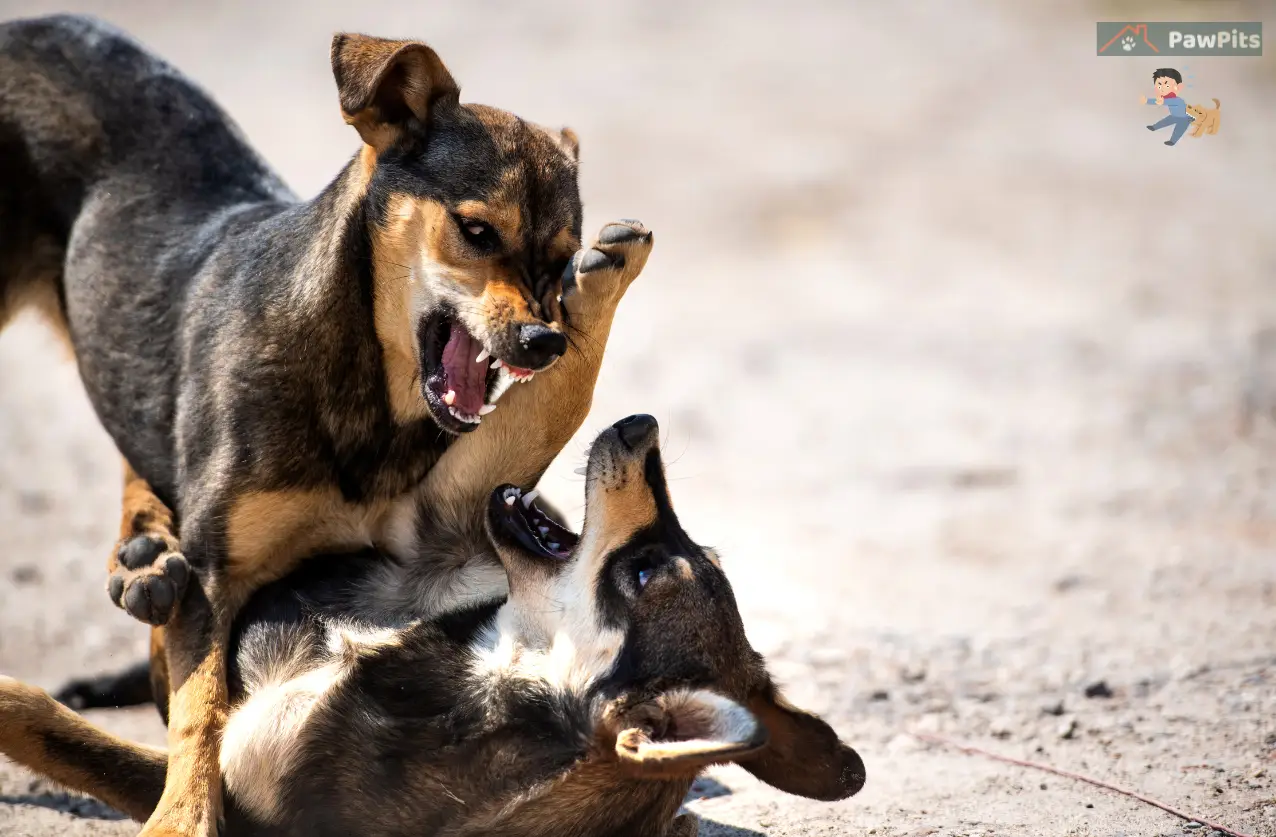
Watching your dog suddenly spiral into fear can be terrifying. Their breathing changes. Their body stiffens or trembles. They might try to escape, hide, or completely shut down. In those moments, many owners ask the same question: Can dogs have panic attacks?
The short answer is: yes, dogs can experience panic episodes that closely resemble panic attacks in humans.
The longer answer is more nuanced, and understanding it can help you respond with calm instead of fear.
What a “Panic Attack” Means in Dogs
Dogs don’t experience panic attacks in exactly the same way humans do, but their nervous systems respond to overwhelming fear in a very similar pattern. When a dog panics, their body enters an intense survival mode, driven by instinct, not thought.
This response is fast, physical, and often confusing to witness. It’s not misbehavior. not defiance. It’s a nervous system overwhelmed by perceived danger.
These episodes are often referred to as dog anxiety attacks, but many owners naturally describe them as panic attacks because of how sudden and intense they feel.
If you want a detailed breakdown of what happens during these moments, our guide on dog anxiety attack explains the physiology and behavior in more depth.
What Panic Looks Like in Dogs (Beyond Normal Anxiety)
Panic is different from everyday anxiety. Anxiety tends to linger quietly. Panic hits hard and fast.
During a panic episode, a dog may:
- Breathe rapidly or appear to gasp for air
- Shake intensely or freeze in place
- Attempt to flee without awareness of surroundings
- Appear disoriented or unresponsive
- Hide, cower, or press against walls or furniture
- Vocalize in ways that sound unfamiliar or urgent
One of the hardest parts for owners is the feeling that their dog “isn’t there anymore.” That distant, unreachable look is a hallmark of panic.
Why Panic Attacks Happen in Dogs
Panic episodes rarely appear out of nowhere. They’re usually the result of emotional overload, when stress builds faster than a dog can process it.
Common triggers include:
- Loud or sudden noises
- Overstimulation
- Past trauma being reactivated
- Pain or physical discomfort
- Accumulated stress over time
Often, panic is the final signal after many smaller stress signs were missed or misunderstood. Those early signals are explored in our article on signs of anxiety in dogs.
Is Panic in Dogs Dangerous?
The panic itself isn’t usually life-threatening, but it can become dangerous depending on the situation. Dogs in panic mode may run into traffic, injure themselves trying to escape, or collapse from exhaustion.
Repeated panic episodes can also deepen long-term anxiety patterns, especially if the dog never fully decompresses afterward.
If panic episodes are frequent or worsening, they may connect to broader patterns discussed in dog anxiety disorder symptoms.
What to Do When Your Dog Panics
When a dog is panicking, logic won’t help, calm presence will.
Helpful responses include:
- Staying still and grounded
- Lowering your voice
- Reducing noise and visual stimulation
- Giving your dog space if they need it
- Letting the episode pass without pressure
Trying to “snap them out of it” or correct behavior often makes panic worse.
For long-term support and prevention strategies, our dog anxiety treatment guide explains what actually helps anxious dogs over time.
Can Panic Attacks Be Prevented?
In many cases, yes, or at least reduced in intensity and frequency.
Prevention focuses on:
- Reducing daily stress
- Recognizing early anxiety signals
- Creating predictable routines
- Avoiding trigger stacking
- Supporting emotional regulation
Panic isn’t a failure. It’s a message that your dog’s coping system was overwhelmed.
Final Thoughts
So, can dogs have panic attacks?
Yes, and when they do, they’re not being dramatic or difficult. They’re scared.
Understanding that difference changes everything. It shifts the response from correction to compassion, from fear to support. And with the right awareness and care, many dogs learn to recover faster, panic less, and trust more deeply.
If you’re asking this question, it means you’re paying attention. And that alone puts your dog on a safer path.