
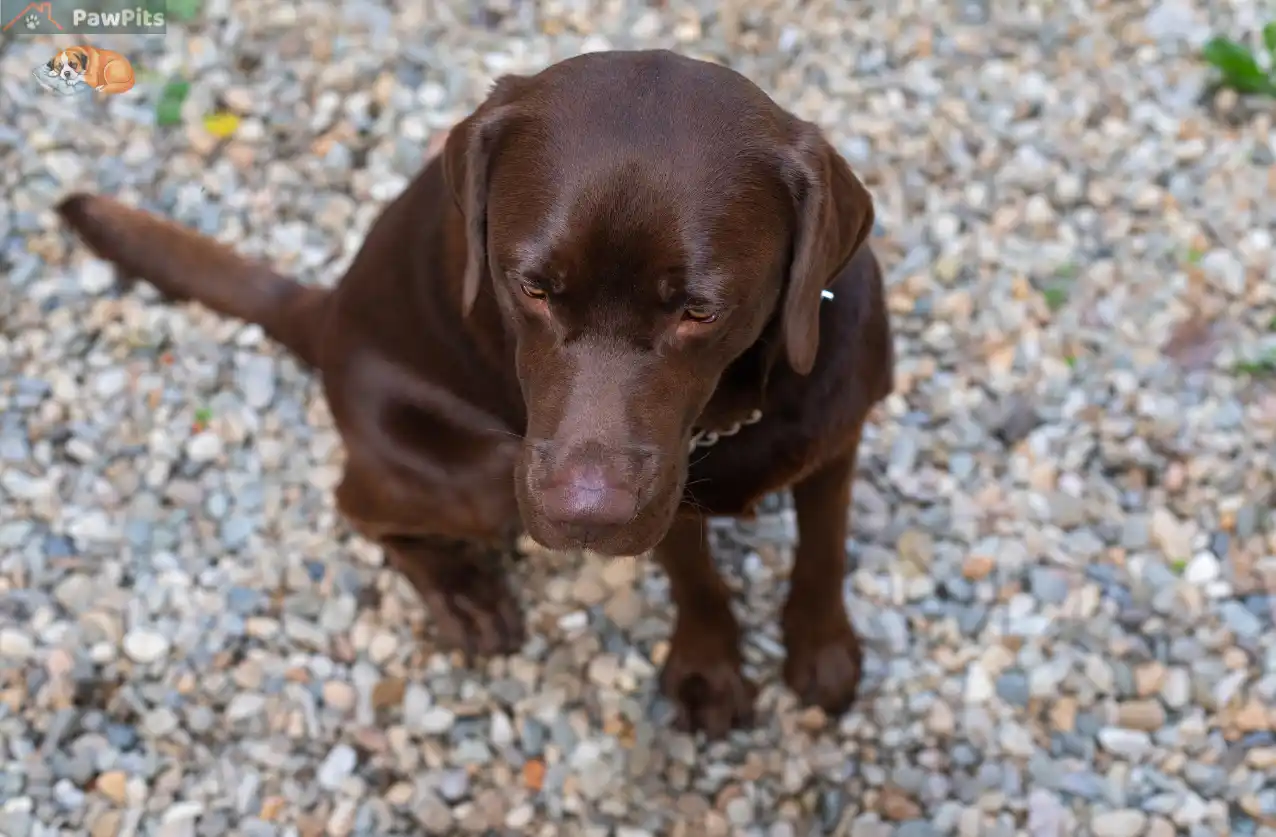
If you’ve ever watched your dog do something that made you pause and think, “Wait… is something wrong?”, you’re definitely not alone. Dog anxiety is one of those things most people don’t notice until it’s already affecting daily life. Honestly, a lot of us (me included) assume dogs are just “being weird” or having an off day… and only later realize those tiny moments were early clues.
So if you’re here because your dog seems stressed, or because you’ve Googled “how to calm an anxious dog” at 1 a.m. more than once, take a breath. You’re already doing the right thing.
What Is Dog Anxiety?
Dog anxiety is basically an emotional overload, fear or stress that sticks around longer than it should. Every dog gets spooked sometimes; that’s normal. What isn’t normal is when that fear becomes a pattern, or when your dog starts reacting like the world is ending over things that never bothered them before.
Some dogs develop a full dog anxiety disorder, which sounds dramatic but… honestly, it’s more common than people admit. And dog anxiety attacks? They can show up out of the blue, even though the signals were building quietly for weeks.
Sometimes you only recognize the pattern backwards, hindsight is annoying that way.
Signs of Anxiety in Dogs
The tricky part? Anxiety in dogs rarely looks the same twice. One dog trembles; another goes silent; another chews half the couch because he literally doesn’t know what else to do with himself.
Here are some signs, and I’ll be honest, some of them look like “nothing” until you learn better:
- Restless pacing
- Sudden trembling
- Tail tucked way too tight
- Avoiding eye contact
- Random whining (or barking at nothing)
- Panting when it’s not hot
- Destructive chewing
- Accidents in the house
- Not taking treats (this one surprises people)
During a dog anxiety attack, everything intensifies, rapid breathing, frantic movements, shaking that doesn’t stop. It’s honestly scary to witness. You feel helpless, even though you’re right there.
If you’re noticing small behavior shifts but aren’t sure what they mean, you might actually be dealing with an anxious dog. Understanding those early signs can make a huge difference.
What Causes Dog Anxiety?
I wish there were one easy answer here, but dog anxiety is like a puzzle with pieces that don’t always fit perfectly. Sometimes it’s trauma; sometimes it’s genetics; sometimes it’s simply life being unpredictable.
Common triggers include:
- Being left alone (separation anxiety is huge)
- Loud noises (yep, fireworks are the enemy)
- Big changes in routine
- Poor early socialization
- New animals or people
- Old trauma resurfacing
And sometimes… well, we just don’t know. Dogs can’t say, “Hey, this specific thing stressed me out.” So we have to do our best to read the clues.
How to Calm an Anxious Dog
Okay, so this part matters, a lot. There isn’t a perfect formula. What calms one dog might do nothing for another, and vice versa. So expect some trial and error, and don’t beat yourself up over it.
Build a predictable routine
Dogs love predictability, honestly, they crave it more than we do. Set feeding/walking times, keep life steady, and create a “safe spot” with blankets or a favorite toy.
Try calming techniques
Soft petting, slow breathing, or even just sitting nearby can help. White noise machines, calming playlists, and anxiety wraps work for some dogs, but not all. Don’t feel discouraged if the first thing you try doesn’t work.
Increase mental + physical activity
A busy dog is often a calmer dog. Sniff walks, puzzle toys, and quick training sessions do wonders. It’s not just about wearing them out, it’s about giving their brain a job.
Don’t punish anxiety
Some people think a firm “No” will stop anxious behavior. It won’t, it usually makes everything worse. If your dog is scared, correction feels like more danger.
When things get serious
If your dog’s anxiety disorder symptoms feel overwhelming, like they’re happening daily or interfering with life, talk to a vet or behaviorist. No shame in it. Some dogs genuinely need professional guidance or medication, and it can make a world of difference.
Preventing Dog Anxiety
Early experiences shape confidence. Gentle exposure to new sounds, people, and environments helps puppies grow into emotionally stable adults. But, and this is important, prevention isn’t perfect. Even well-socialized dogs can develop anxiety later in life.
The goal isn’t “no fear ever.” It’s giving your dog enough trust and support that they feel safe coming to you when things get scary.
Final Thoughts
If you’re reading this, you clearly care, and that already puts your dog in a better position than many. Dog anxiety can feel confusing and, honestly, a little heartbreaking, but it’s also incredibly fixable with time and patience.
You don’t have to get everything right immediately. You just need to show up for your dog, again and again, even on the days when you’re not sure whether you’re helping enough.
And eventually, sometimes slowly, sometimes suddenly, you’ll see the shift. Your anxious dog will breathe a little easier. Trust you a little more. And you’ll know you’re on the right path.
1 thought on “Dog Anxiety: Signs, Causes & How to Calm an Anxious Dog”