
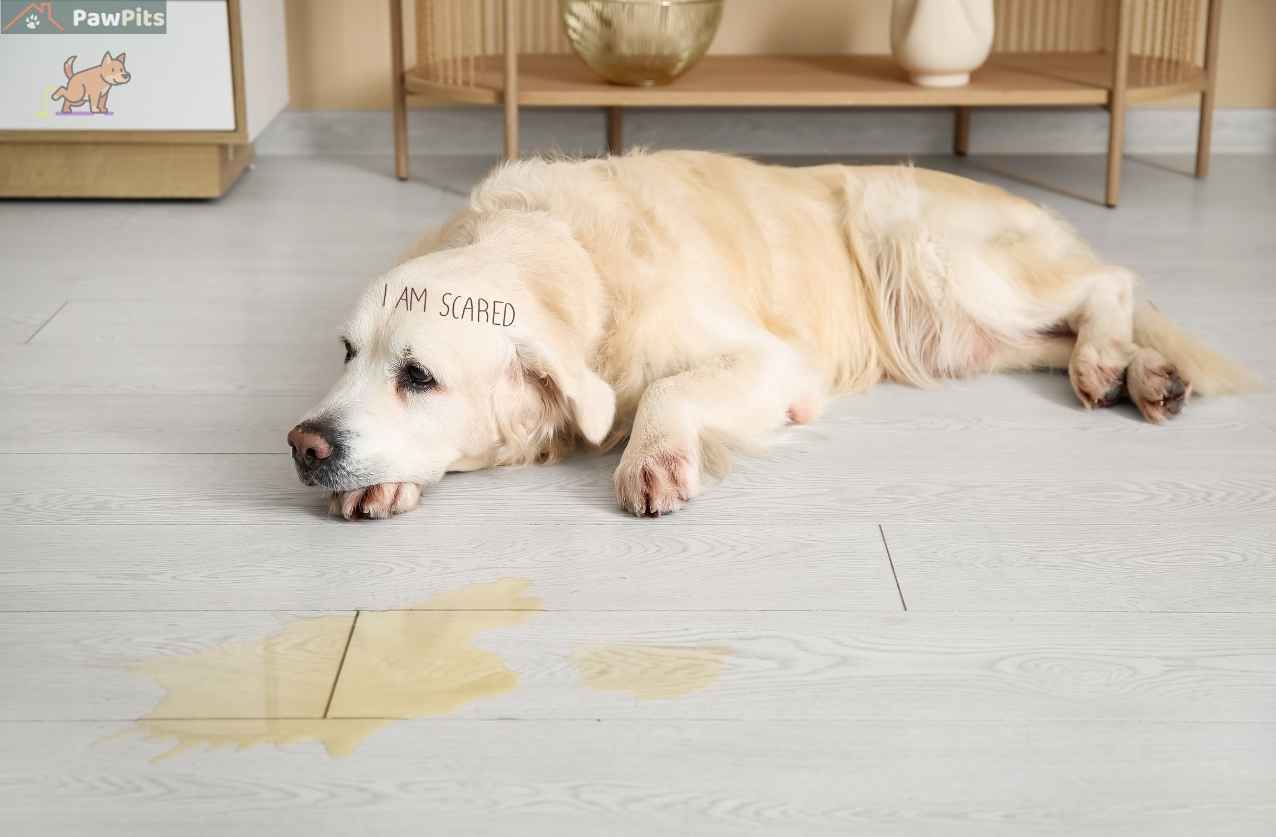
If your dog has started peeing in the house, you’re probably frustrated. Maybe even embarrassed. And if you’re honest, a little confused too, especially if this wasn’t a problem before.
A lot of owners jump straight to “They know better” or “They’re doing it on purpose.”
But dogs don’t work like that. They really don’t.
When a dog pees indoors, something is off. Not morally. Not behaviorally in the way we usually think. Just… off.
And figuring out what that “off” is matters more than any training trick.
First, Don’t Assume Your Dog Forgot Their Training
This part gets skipped too often.
Dogs who are truly house-trained don’t randomly decide to stop one day. If accidents are happening, especially suddenly, it’s almost always because something changed, even if you didn’t notice it at first.
Ask yourself:
- Is this new, or just more frequent?
- Does it happen at certain times?
- Is it the same spot every time?
- Is it a little pee, or a lot?
Those details tell a much bigger story than whether your dog “should know better.”
Medical Issues Come Before Everything Else (Yes, Really)
It’s not dramatic to say this, it’s practical.
Urinary infections, bladder irritation, kidney problems, even hormone changes can cause a dog to pee inside without warning. And dogs don’t always show pain the way we expect.
Sometimes the only sign is the accident.
If your dog seems confused afterward, or keeps asking to go out but doesn’t fully empty their bladder, don’t assume it’s behavioral yet. Get medical issues ruled out first. It saves time, money, and stress in the long run.
Stress Peeing Is More Common Than People Admit
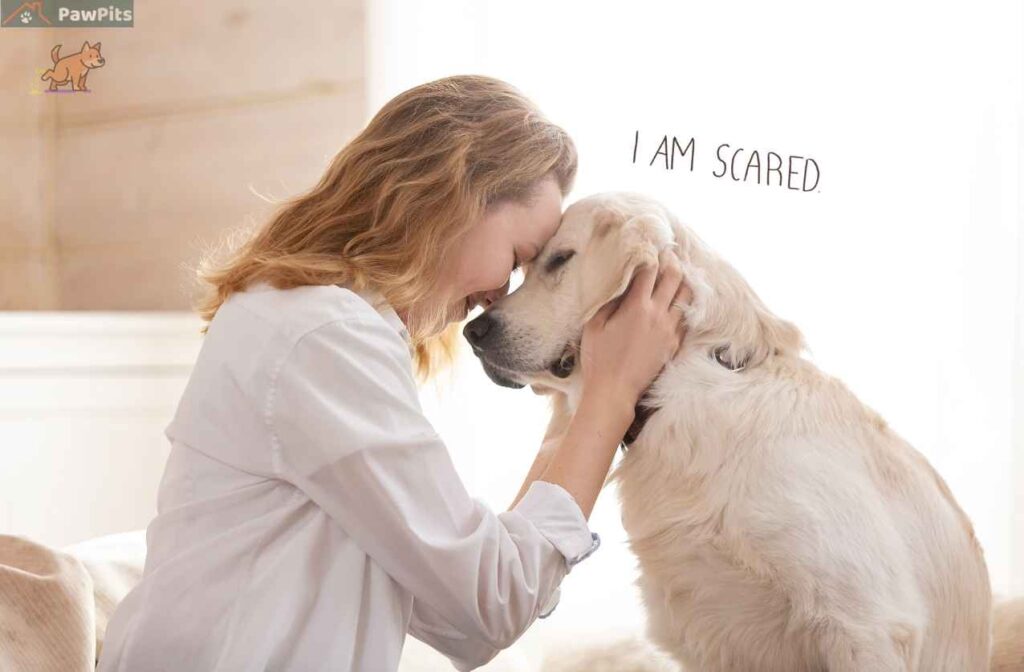
Not all house accidents are about needing to pee.
Some dogs pee because they’re overwhelmed.
This can happen after:
- a schedule change
- new people in the house
- loud noises
- being left alone longer than usual
- tension in the home
Stress-related peeing often shows up in patterns. Same moment. Same trigger. Same reaction.
Punishing this kind of accident usually makes it worse, not better. You end up adding fear to a situation that already caused stress.
Excitement or Submissive Peeing Isn’t Disobedience
Some dogs pee when emotions spike, even happy ones.
This might happen during greetings, play, or moments where your dog feels unsure but wants approval at the same time. You’ll often see a lowered body posture or a quick crouch.
It looks intentional. It’s not.
Most dogs grow out of this with time, calm handling, and reduced pressure. Making a big deal out of it almost always delays improvement.
Marking vs. Accidents (They’re Not the Same Thing)
This part matters more than people think.
If your dog is leaving small amounts of urine on vertical surfaces, walls, furniture legs, door frames, that’s usually marking, not a bathroom accident.
Marking is about communication, not bladder control.
Treating marking like a potty-training failure usually doesn’t work. It needs a different approach entirely.
Why Punishment Backfires (Even If It Seems to Work Once)
Scolding a dog for peeing in the house can stop accidents briefly. That’s why people think it works.
But what actually happens is this:
- dogs start hiding accidents
- they stop signaling they need to go out
- anxiety increases
- trust erodes
Now you have fewer accidents… until you have worse ones.
Dogs don’t connect punishment to past behavior. They connect it to the moment, and to you.
What Actually Helps (Most of the Time)
There’s no single fix, but these steps help in almost every case:
- predictable bathroom breaks
- supervision during retraining periods
- calm reactions to accidents
- enzyme cleaners (this one matters a lot)
- rewarding outdoor success like it actually matters
Consistency beats intensity. Always.
When Indoor Peeing Keeps Happening
If you’ve ruled out medical issues and stayed consistent, but accidents keep happening, it doesn’t mean your dog is stubborn.
It usually means something deeper hasn’t been addressed yet, emotional, environmental, or sometimes developmental.
That’s not failure. It’s information.
Final Thought (The Part People Don’t Like)
Dogs don’t pee in the house to upset you.
They pee because something isn’t working, for them.
When you shift from “How do I stop this?” to “Why is this happening?”, solutions come faster. And usually with a lot less stress on both sides.