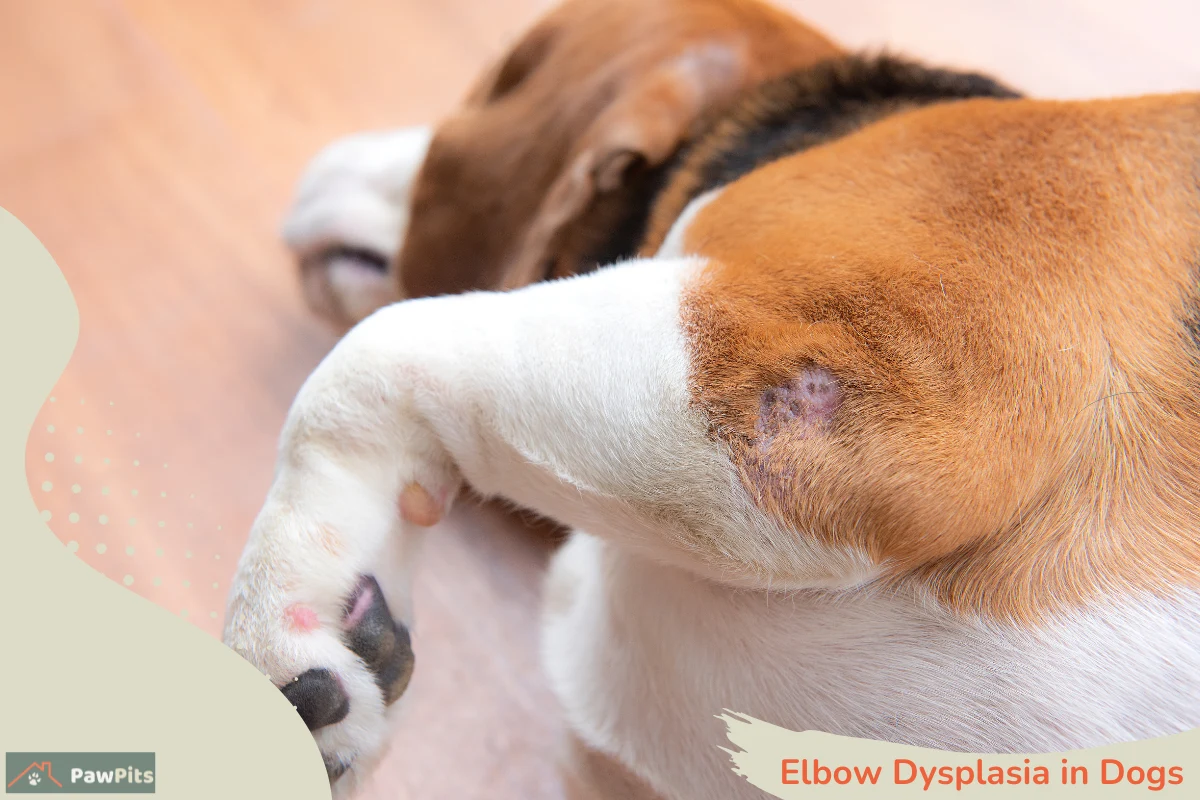
Your dog used to love running. Now they’re limping. And you’re standing there watching them struggle up the stairs, thinking, “Something’s wrong.” I’ve been there, honestly. It’s one of the worst feelings because you know something is off but you’re not quite sure what to do about it.
Elbow dysplasia. If you haven’t heard that term before, you’re about to learn it way better than you ever wanted to. Trust me on that one.
Here’s the thing about this condition: it’s not a death sentence. I mean, people act like it is sometimes, but it’s really not. But it does require you to actually understand what’s happening, what your options are, and, honestly, it’s going to require some real commitment on your part. Like, actual work. Not just showing up to the vet once and hoping everything magically gets better.
I’m not trying to scare you. But I am trying to be real with you. Because a lot of people get this diagnosis and they panic. And then they either do nothing, which is stupid, or they jump straight to surgery without exploring other options . And neither of those approaches is ideal ,if I’m being completely honest.
So let’s break this down. What it actually is, why it happens, how you treat it, and what recovery looks like when you’re actually living through it. Because the internet can be really confusing about this stuff.
What Is Elbow Dysplasia, Actually?
Okay, so your dog’s elbow joint is made up of three bones: the humerus (that’s the upper arm bone), and then the radius and ulna (forearm bones). These bones need to fit together really well. Like, perfectly. Or at least, well enough that they don’t rub against each other constantly.
In a normal elbow, they do fit well. Everything slides smoothly, the cartilage protects the bones, and your dog can run around without pain . It’s how it’s supposed to work, right?
In elbow dysplasia, the bones don’t fit together properly. Maybe they grew at different rates. Maybe there’s a genetic issue somewhere in the line. Maybe it’s a combination of things. But the result is always the same: the joint is unstable. The bones are rubbing against each other in ways they definitely shouldn’t be. The cartilage is getting damaged. And your dog is in pain. Actual pain, not just “being dramatic” pain.
It’s kind of like, imagine if your car’s parts weren’t quite aligned. At first, it just makes a little noise, right? Annoying, but not catastrophic. But over time, if you don’t fix it, the whole system breaks down. That’s what happens with elbow dysplasia. Except instead of a car, it’s your dog’s joint. And instead of needing a mechanic , you need a vet. And it’s way more emotional because, well, it’s your dog.
The frustrating part? There’s no cure. Once it happens, it’s done. I wish I could tell you there was some magical fix, but there isn’t. But here’s what keeps me from being totally pessimistic about it: there are actually a LOT of ways to manage it. Seriously . More than you might think.
Which Dogs Actually Get This?
Okay, so here’s the genetic bad luck part: large breeds are way more likely to develop elbow dysplasia than small breeds. I mean, it happens in small dogs too, but it’s like… rare. We’re talking maybe one in a thousand. With large breeds? Way more common than that.
The breeds that get hit hardest are Labrador Retrievers (I feel like almost every Lab I know has some joint issues), German Shepherds, Rottweilers, Golden Retrievers, and Bernese Mountain Dogs. If you have one of these breeds, you should honestly be thinking about joint health from the moment you get your puppy. I’m not exaggerating when I say this. It actually makes a difference.
Smaller breeds can get elbow dysplasia too, but honestly it’s pretty rare. The fact that it’s more common in big dogs makes sense when you think about It : they grow fast, they’re heavier, their joints are working harder. It’s just physics.
How Do You Even Know Your Dog Has This?
The symptoms are usually pretty obvious, honestly. But a lot of people miss them because they think it’s just normal aging or their dog being lazy. Which, I get it, but it’s not.
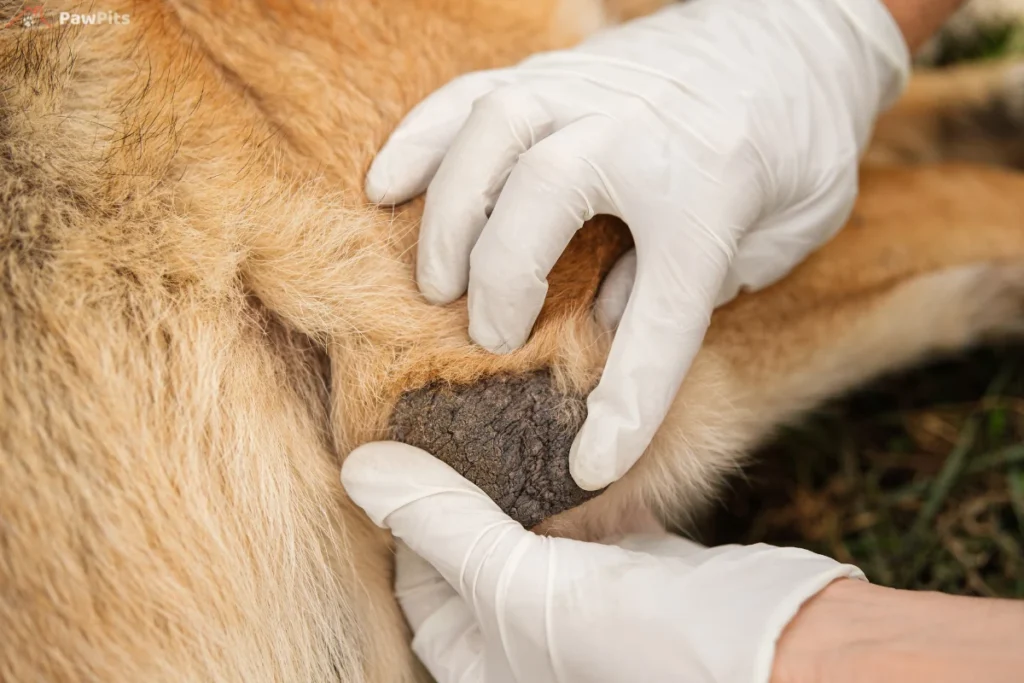
Early signs include limping, especially in the front legs (notice I said front, not back, that’s actually important for some reason I should probably know but don’t). Your dog doesn’t want to run or play as much. They hesitate before jumping or going up stairs. They seem stiff when they first get up, especially in the mornings. Sometimes you can actually see swelling around the elbow if you look closely.
Here’s something important that nobody really talks about: these symptoms often get worse after exercise. So your dog might limp more after a big play session or a long hike. Or they might be way worse in the morning after resting all night. This is actually pretty normal for joint issues, apparently. My vet explained it to me once but I kind of forgot the details. Something about inflammation and rest or something like that.
What makes you actually go to the vet is if your dog is limping consistently, or if they’re actively avoiding things they used to love. Like, they won’t go up the stairs anymore. Or they used to jump on the couch and now they just stare at it. That’s when you know something is genuinely wrong. Don’t wait for it to get worse. Seriously. I know people who did and they regret it .
Getting a Diagnosis (What Actually Happens)
Your vet will do a physical exam first. They’ll feel the elbow, check how far your dog can move it, watch them walk around. They’ll probably ask about when it started, if it’s getting worse, what activities make it hurt. The usual vet stuff.
Then they’ll probably want imaging. Usually X-rays first because they’re less expensive and they can usually tell enough from them. If those don’t show anything clear , or if your vet suspects something more complicated, they might do a CT scan or MRI. CT scans are actually better for this than I used to think, honestly. They give really clear pictures of what’s going on in there.
Some vets will recommend going to an orthopedic specialist for diagnosis. If your regular vet suggests this, take that seriously. These specialists deal with this stuff literally all day, and they have access to better imaging and diagnostic tools. Plus, if surgery ends up being necessary, they’re the ones who can explain your options in a way that actually makes sense.
Okay, So What Are Your Treatment Options?
Here’s where it gets practical and maybe a little bit confusing. You basically have two main paths: you can treat it without surgery or you can do surgery. Sometimes people actually do both, which is weird but apparently it happens.
Non-Surgical Treatment
Non-Surgical Treatment is basically what I call the slower road. You’re managing the condition without going under the knife. And honestly, for some dogs, this works surprisingly well. Better than I thought it would, actually.
Weight management is huge, and I cannot stress this enough. Excess weight puts more stress on joints. If your dog is overweight, getting them to a healthy weight alone can significantly reduce pain. I’m talking noticeable improvement, like where your dog actually wants to play again. It’s kind of amazing actually.
Pain medication is usually the next thing. NSAIDs like Carprofen or Rimadyl are the main ones. They reduce inflammation and pain. The tricky part is that you can’t use them forever without monitoring your dog’s liver and kidneys. Your vet needs to check bloodwork regularly , which is annoying but necessary.
Joint supplements are something a lot of people try. Glucosamine, chondroitin, omega-3 fatty acids. Do they work? Honestly, the research is mixed and kind of confusing. But anecdotally, a lot of people swear by them. And they’re safe, so why not try? Just make sure you’re getting a decent quality supplement and not some random brand from Amazon that probably doesn’t have what it says it has.
Physical therapy and swimming are actually really effective, and I don’t think people talk about this enough. Swimming especially is amazing because it gives your dog exercise without putting weight on the joint. Hydrotherapy, which is just swimming or walking in water, is like perfect for this situation. Your dog gets tired but their joint doesn’t get destroyed.
Rest and activity modification is boring but necessary. Avoid high-impact activities like jumping and running on hard surfaces. Stick to softer ground, shorter walks, controlled play. It’s not fun for anyone involved but it’s necessary.
Can this work long-term? Yeah, absolutely. For mild to moderate cases, it can work really well. But you have to be consistent. You can’t do it halfway and expect results. That doesn’t work.
Surgical Treatment
Surgical Treatment is basically the faster road, though it comes with its own complications. Surgery is about cleaning up the joint and, in some cases, realigning things so there’s less stress on the damaged parts.
Arthroscopic surgery is minimally invasive, which sounds fancy but basically means they go in with tiny instruments and remove loose bone fragments or damaged cartilage. Recovery is faster with this compared to open surgery, usually 4 to 6 weeks. The success rate for pain relief is actually pretty good, especially in younger dogs or dogs with early-stage disease. This is what a lot of vets recommend if they think surgery is necessary.
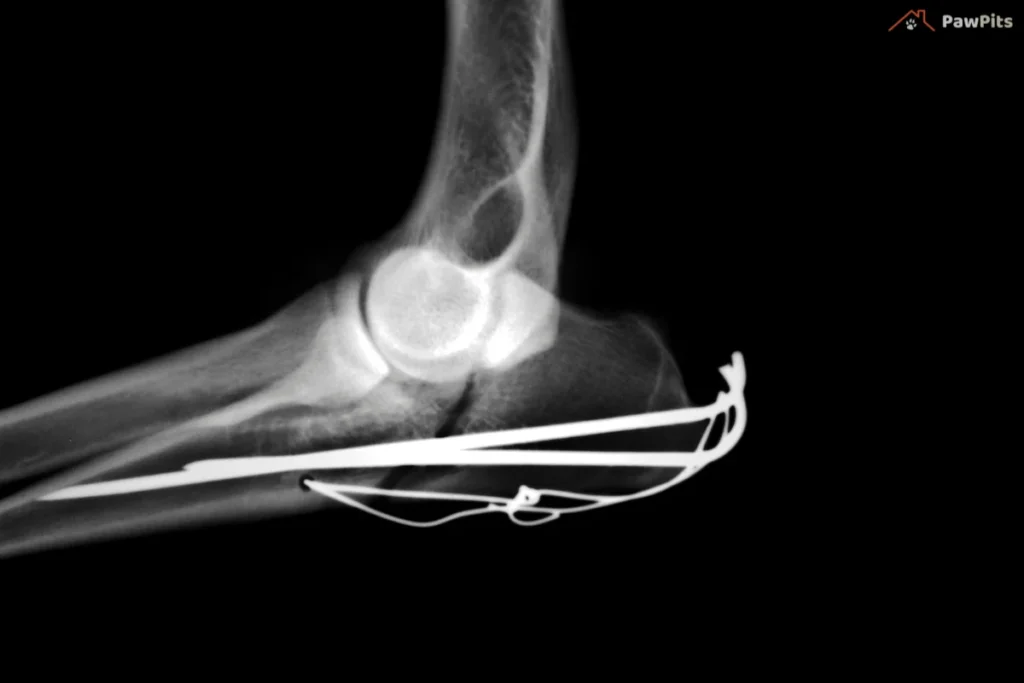
Osteotomy, or bone realignment surgery, is for more severe cases where the bones really aren’t fitting right. This involves cutting bone and repositioning it to reduce the stress on the joint. It’s more invasive than arthroscopy, and recovery takes longer, like 6 to 12 weeks typically. This is getting into more serious territory.
Joint replacement is the big guns option. Reserved for really severe cases. Your dog’s elbow joint is basically replaced with an artificial one. I’m going to be honest here: this is expensive, it requires specialized surgery, recovery is long, and there can be complications. It’s really a last resort kind of thing, honestly. I’ve heard stories about people doing this and it working out great, but I’ve also heard horror stories. So it’s a gamble.
So which one do you choose? Honestly, it depends on how severe it is, your dog’s age, their overall health, your budget, and what your vet recommends. Talk to your vet about it. If they suggest surgery, ask why. What’s the specific issue? What are the expected outcomes? Get a second opinion if you want to. This is important enough that you shouldn’t just accept the first opinion you get.
What Recovery Actually Looks Like
If you go the surgery route, post-surgery recovery is intense. The first week is honestly the hardest part.
Your dog is going to be tired from the anesthesia. They’re going to be in some pain even though they’re on pain medication. They’re going to be confused about why they can’t move around normally. And they’re probably going to be frustrated because dogs don’t understand why they can’t do their normal stuff. My dog literally looked at me like I was ruining her life when I wouldn’t let her run around after surgery.
Post-Surgery Recovery Timeline
Weeks 1 to 2 are strict rest. And I mean strict. Lead walks only, like 5 minutes three times a day, just to go to the bathroom. No jumping, no stairs, no playing. Your dog should basically be resting. This sounds easy but it’s actually really hard because dogs don’t understand why they can’t do things. And they’ll try to do them anyway if you’re not careful.
Weeks 2 to 6 involve very gradually increasing activity. Physical therapy or hydrotherapy might start around week 3, your vet will tell you when. Leash walks get slightly longer. No off-leash play yet. You’re still pretty restricted at this point.
Weeks 6 to 12 involve more activity, but it’s still controlled. By week 12, most dogs are back to normal activity. But for active dogs or competition dogs, recovery might take longer. This is just what normal dogs usually look like.
The important part is that you have to follow your vet’s instructions. I know it sounds obvious, but people don’t follow them. They get impatient. Their dog seems fine. So they let them play. And then the surgery site gets infected or the repair doesn’t hold and you’re back to square one. Don’t do that. Seriously, just don’t.
Non-Surgical Recovery
If you’re going the non-surgical route, recovery is different. You’re not recovering from surgery. You’re managing the condition long-term, which is actually forever. You’re looking at consistent weight management, regular medication as prescribed, regular supplements, low-impact exercise, possibly physical therapy.
The good news? You can start this immediately. You don’t have to wait for a surgery date. The bad news? It requires ongoing consistency. Forever. And I mean that literally. You can’t just stop doing these things and expect your dog to be fine.
The Prevention Thing
Look, if you’re reading this because you have a dog with elbow dysplasia, prevention is too late for them. But if you’re thinking about getting another dog, or if you know someone who’s considering a puppy, here’s what you need to know.
Choose a breeder who actually cares about joint health. This means they do health screening on their dogs. They test parents for elbow dysplasia. They’re not breeding dogs with joint issues. They’re willing to actually discuss health testing with you instead of just being annoyed by your questions.
Feed large-breed puppies properly with actual large-breed puppy formula, not regular puppy formula or adult food. The difference is real. Regular food can cause too-rapid growth, which stresses developing joints. I didn’t know this with my first dog and I kind of regret it.
Avoid excessive high-impact activity in puppies. No crazy jumping, no repetitive stress. Let them be puppies, but sensibly. This is apparently important but nobody really tells you this.
The Real Talk Conclusion
Elbow dysplasia sucks, let’s be honest about that. But it’s manageable. Your dog can have a good quality of life. They just need you to take it seriously and actually commit to whatever treatment plan you decide on.
The key is catching it early. Get your dog checked out if something seems off. Don’t wait for it to get worse. And when your vet gives you a treatment plan, whether it’s surgery or non-surgical management, follow it. Actually follow it. Not halfway. All the way.
Your dog is depending on you. And honestly, they’re worth the effort.
5 thoughts on “Elbow Dysplasia in Dogs: Symptoms, Treatment & Recovery Guide”