
Red Heeler vs Blue Heeler, Which Heeler Matches Your Life?
If you’ve ever considered welcoming a Heeler into your life, chances are you’ve seen the debate: Red Heeler vs Blue Heeler. On paper, it seems like a choice about coat color. But in reality, it’s a question about energy, lifestyle, and what you’re ready to give a dog, and get back. These aren’t just dogs that follow you around. They’re working heritage, wrapped up in loyalty, smarts, and a drive built for long days in tough terrain. And yes, their “vibes” hit in different ways.
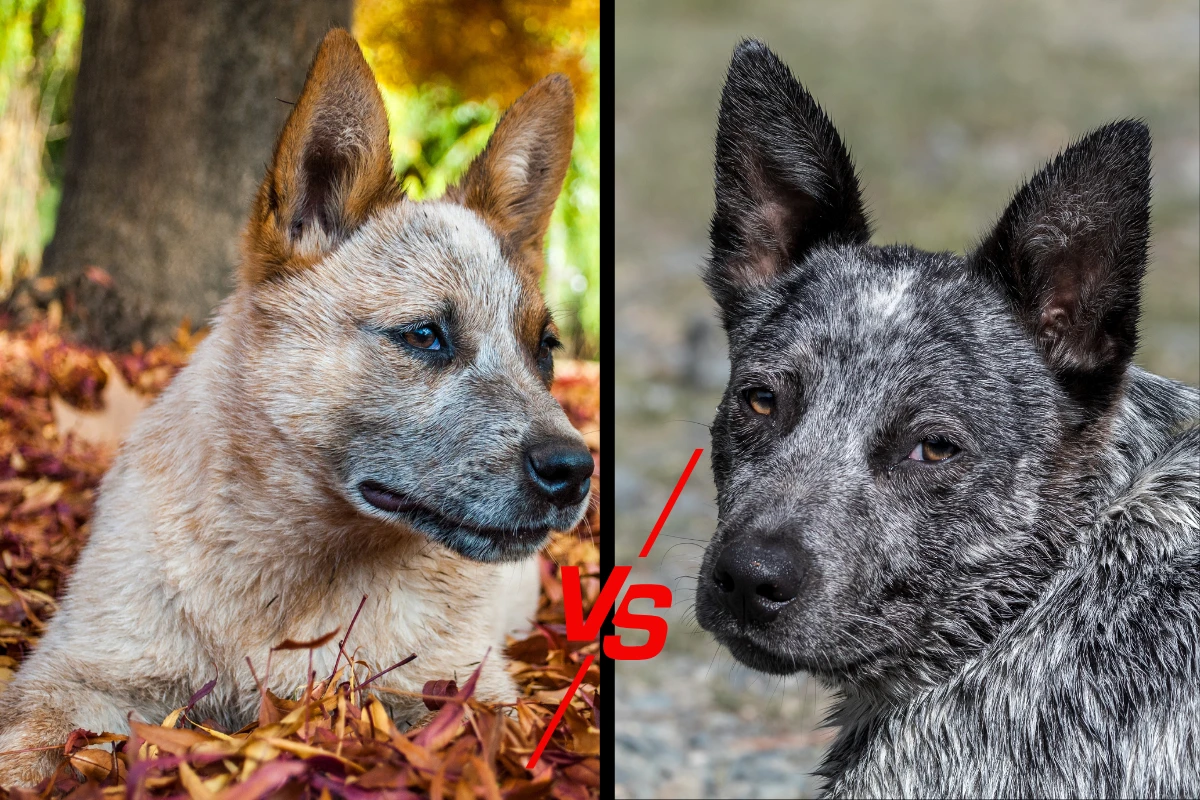
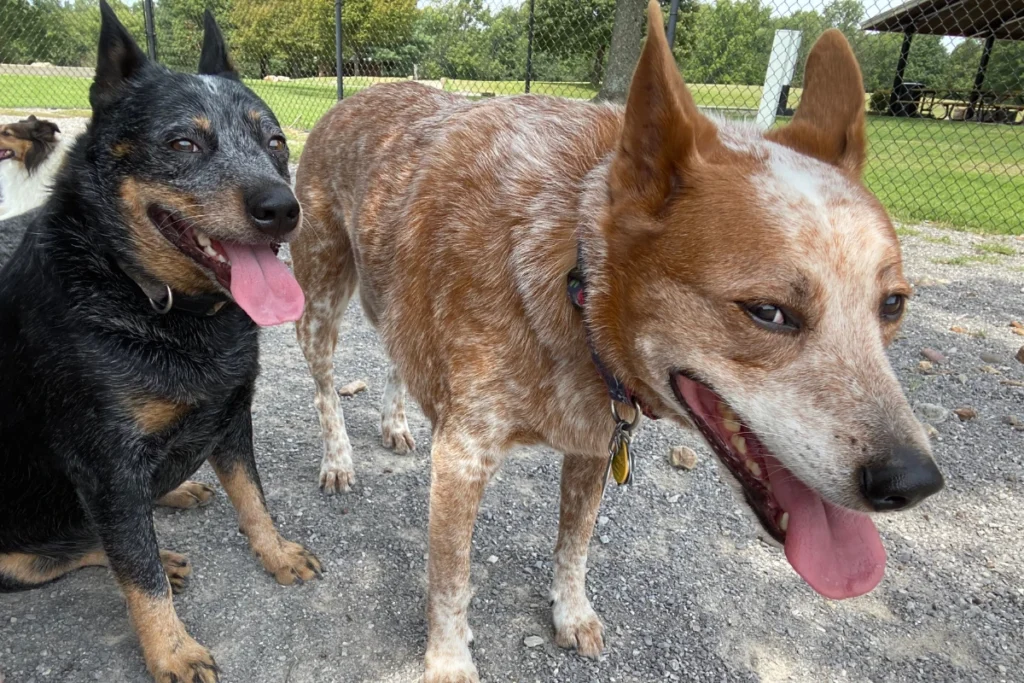
A Red Heeler might catch your eye with warm, earthy tones and a certain boldness in its gaze, the kind that says, “I’ll guard the herd, I’ll guard the house, I’ll guard you.” A Blue Heeler, with its cool-speckled coat and sharp expression, can feel like a silent promise of agility, focus, and uncanny awareness of every movement around it. But beyond looks, each dog brings a distinct temperament and energy level shaped by lineage, upbringing, and individual personality.
This guide isn’t about making one variant “better” than the other. It’s about helping you figure out which Heeler, red or blue, naturally fits your routines, home, and expectations. We’ll walk through their origin story, temperament, grooming and exercise needs, family compatibility, training demands, and the real-life challenges and rewards of living with a Heeler. By the end, you’ll have more than a color preference, you’ll have clarity.
Ready? Let’s dig into what lies beneath those coats and find out which Heeler matches your life best.
Origin & Breed History, Why Red Heelers and Blue Heelers Developed
When people first hear “Red Heeler vs Blue Heeler,” it sounds like two different breeds squaring off. But once you dive into the history, you realize the story is far more interesting, and much more rooted in Australia’s wild past than most dog owners expect. These dogs didn’t start as family companions. They started as survival partners.
Back in the 19th century, Australian ranchers needed a dog tough enough to handle unforgiving heat, long distances, and cattle that didn’t exactly respect boundaries. The early dogs available to settlers weren’t cutting it. So breeders began experimenting, crossing British Smithfield dogs with the resilient native Dingo. It was a strange pairing on paper, yet out of it came a dog with endurance, intelligence, and a no-nonsense work ethic. Later, Dalmatian and Collie lines added loyalty, trainability, and that strong herding instinct the modern Heeler is famous for.
What’s fascinating is how coat color came into the picture. The earliest Australian Cattle Dogs carried genes for both red and blue speckling. No one set out to make “Red Heelers” or “Blue Heelers” at first, the colors simply emerged and stuck because breeders favored the patterns that helped dogs blend into the rugged landscape. Blue Heelers developed from black-grey speckling; Red Heelers from tan-red pigmentation. The DNA didn’t affect their heart or drive, just their look.
Over time, certain breeding lines leaned more red or more blue, which gave people the sense that these colors represent different temperaments. And while there may be lineage-based quirks here and there (like people claiming Red Heelers are a touch more independent), science hasn’t found a direct color-to-personality link. What you get instead is a shared breed with two visual identities.
Red vs Blue Coat Genetics, The Simple Explanation
- Blue Heelers carry black/grey speckling genes
- Red Heelers carry recessive red/tan pigmentation
- Litters can include both colors depending on parent genetics
- Neither color changes work ethic or intelligence
Temperament & Personality, Which One Fits Your Lifestyle?

If you’ve ever met an Australian Cattle Dog, you already know the truth: Red Heeler vs Blue Heeler isn’t a debate about “better dogs,” it’s a debate about what kind of intensity you’re ready to live with. These dogs weren’t bred to sit around politely waiting for instructions. They were bred to think, to decide, to act, sometimes faster than their humans. And that personality comes through no matter the color.
But within that shared working-dog DNA, owners often perceive subtle differences. Some swear Red Heelers are a little more independent, maybe even stubborn in a “don’t rush me, I’m thinking” way. Others feel Blue Heelers stay more handler-focused, almost reading your body language in real time. Are these differences scientifically proven? Not really. Are they rooted in certain breeding lines or owner experiences? Very possibly.
The real key is understanding whether you want a dog who challenges you a bit (the Red might lean that way) or one who checks in more often and enjoys structure (the Blue tends to give that impression). But again, personality varies more from genetics, early socialization, and training than from a coat color.
What doesn’t vary is the energy level. Both Red and Blue Heelers come wired with the kind of stamina that makes marathon runners look slightly unmotivated. They need movement, tasks, mental puzzles, and humans who don’t mind their dog having strong opinions. With the right owner, this intensity becomes a bond, almost like the dog and human operate as a team, not just a pet and owner.
Key Temperament Traits Shared by Both Heelers
- Strong work ethic and high intelligence
- Deep loyalty, often forming a “favorite human”
- Protective instincts without unnecessary aggression
- Intense focus during training
- Natural herding behavior (nipping, circling, shadowing movements)
These traits can be incredibly rewarding, but only if your lifestyle matches them. Heelers don’t soften themselves for the wrong environment; they simply become frustrated, reactive, or destructive. When matched with the right type of owner, though, they’re exceptional companions.
Social Behavior, Where Red and Blue May Differ Slightly
- Reds: Some owners report more independence and wariness of strangers
- Blues: Often described as a bit more cooperative or eager to please
- Both: Need early socialization to prevent overprotectiveness
Coat, Shedding & Grooming, What to Expect from Red and Blue Heelers
When people compare Red Heelers vs Blue Heelers, coat color is the first thing they notice, but it’s also the least important difference in daily life. Once you actually live with one, you start to care less about the color and more about the reality: both versions shed, both require brushing, and both will quietly leave little reminders of themselves on your clothes, furniture, and probably your car seats. This isn’t a glamorous breed when it comes to grooming, but it is a predictable one.
Heelers have short, dense double coats designed to protect them from harsh weather, dust, heat, and even thorny brush. This coat doesn’t mat easily, which is great, but it does shed steadily throughout the year, with major blowouts in spring and fall. Red vs Blue doesn’t change that. If you prefer a low-shedding breed, Heelers simply aren’t it. But if you’re okay with a bit of hair in exchange for durability and low-maintenance care, they’re surprisingly easy to manage.
Both colors start life with mostly white coats that fill in speckles and mottling as the puppy grows. Reds develop warm, rust-toned freckles; Blues grow into cool black-and-gray mottling. Their coats look different, but feel and behave the same.
Red vs Blue Coat Differences (Appearance Only)
- Red Heeler:
- Reddish-brown speckling
- Some have darker red patches on face or back
- Warmer, earthy overall tone
- Blue Heeler:
- Black/gray/white speckled coat
- May have tan or black mask markings
- Cooler-toned, sharper-looking pattern
These variations mean nothing about shedding levels or grooming needs. It’s all aesthetic.
Grooming Needs, What Owners Should Expect
- Brushing 1–2 times weekly
- 3–4 times weekly during heavy shedding
- Bathing only when dirty
- Nail trimming every 3–4 weeks
- Regular ear checks for debris
- Occasional deshedding tools during seasonal coat blowouts
Keeping up with grooming isn’t just practical, many owners find it helps calm their Heeler and strengthens the bond. These dogs may act tough, but during quiet care routines, they soften.
Exercise & Training Needs, Which Heeler Is Easier to Handle?
If there’s one area where Red Heelers vs Blue Heelers feel identical, it’s their need for movement. Lots of movement. These dogs weren’t bred for parks and couches; they were built for long days of herding stubborn cattle in brutal heat. Even when they’re family pets, that instinct doesn’t disappear, it just redirects itself. And if you don’t give a Heeler a job, well… they’ll invent one. (Spoiler: you probably won’t love it.)
Both Red and Blue Heelers need 1.5 to 2 hours of daily exercise, and that’s not counting mental stimulation. A slow walk around the neighborhood simply won’t cut it. They need sprints, tasks, puzzles, patterns. Something to “solve.” Owners sometimes underestimate how much of their intelligence is tied to physical purpose, and that’s often where trouble starts.
Temperament-wise, some people claim Reds are more stubborn while Blues are more handler-focused. There’s truth in that for certain lineages, but not enough to call it a rule. What is consistent is this: Heelers respond best to structure, fairness, and owners who stay calm even when the dog tests boundaries, because they will.
Ideal Exercise Routine for Both Heelers
A balanced weekly routine often includes:
- Long daily walks or jogs
- Off-leash running in a safe area
- Fetch, frisbee, or chase games
- Herding-style activities (even simulated ones)
- Agility courses or backyard obstacles
- Obedience drills to work the mind
If you enjoy active living, hiking, biking, running, a Heeler won’t just keep up; they’ll push you to go farther.
Training Challenges, Do Reds or Blues Behave Differently?
Here’s where owner experience influences the conversation:
- Red Heelers are often described as more independent thinkers. They may question commands before complying.
- Blue Heelers are often viewed as slightly more eager to please and quicker to follow direction.
But again, this is more about breeding lines and individual personality than coat color. Both are extremely smart. Both can be stubborn. Both can outthink a novice owner if given the chance.
Best Activities for Mental Engagement
- Puzzle toys
- Scent work or tracking
- Trick training
- Hide-and-seek games
- Agility jumps and tunnels
- Herding balls or “flirt pole” work
Mental stimulation isn’t optional, it’s the pressure valve that prevents destructive behavior.
Family Compatibility, Which Heeler Is Better for You?
Choosing between a Red Heeler vs Blue Heeler becomes a very different conversation the moment kids, other pets, or a busy household enter the picture. Both types of Heelers are loyal, sharp, and incredibly bonded to their families, but they’re also herding dogs to the core. And herding instincts don’t disappear just because a dog is living in a suburban home. They redirect. Sometimes beautifully… and sometimes not.
These dogs form deep emotional attachments, often choosing a “favorite person” and shadowing them like a little four-legged bodyguard. That loyalty is amazing, until it turns into overprotectiveness or pushy behavior with young children. Heelers don’t mean harm, but the instinct to control movement can show up as circling, nudging, or even heel-nipping. Some families find this charmingly “classic herding behavior,” while others find it overwhelming.
The color doesn’t change this part of their personality, but some owners do report differences in vibe: Reds leaning more independent around kids, Blues being slightly more handler-attuned. Neither is universally safer or easier. What really determines success is early socialization and consistent boundaries.
Are Heelers Good with Kids?
The honest answer: yes, with supervision and training.
- Heelers are loyal and protective.
- They bond strongly with children they grow up with.
- They can become impatient with rough or unpredictable play.
- They may try to herd toddlers (circling or gentle nipping).
Families with older kids usually have an easier time since Heelers flourish when children participate in training, games, and outdoor play.
Heelers with Other Pets
This is where color really doesn’t matter. Instinct does.
- With dogs: early socialization helps, but some Heelers may act dominant.
- With cats: possible if raised together; chasing may occur.
- With small animals: generally not a safe match due to prey drive.
First-Time Owner Suitability, A Reality Check
Heelers can overwhelm inexperienced owners. They’re brilliant, opinionated, and easily bored. First-timers who succeed tend to be active, organized, and fully committed to training from day one.
FAQ:
Are Red and Blue Heelers Different Breeds?
No, they are the same breed: the Australian Cattle Dog. The only difference is coat color. Everything else (intellect, energy, loyalty, instincts) comes from shared working-dog ancestry.
Are Blue Heelers Friendlier Than Red Heelers?
Not consistently. Some lines of Blue Heelers lean friendlier, and some Red Heelers lean more reserved, but temperament depends on training, genetics, and environment, not color alone.
Are Blue Heelers Better for Families Than Red Heelers?
Not consistently. Some Blue Heeler lines appear more people-focused, which can make them feel more predictable with families, but temperament ultimately depends on training, genetics, and environment, not coat color.
Are Blue Heelers Easier to Train Than Red Heelers?
Sometimes, but not reliably. Blues may appear more responsive to direction, while Reds may show more independence. The real difference comes from early training, consistency, and genetic lines, not the coat color itself.
Do Red Heelers Shed More Than Blue Heelers?
No. Shedding levels are identical. Any perceived difference usually comes from lighting or how visible lighter vs darker hairs appear on furniture.