
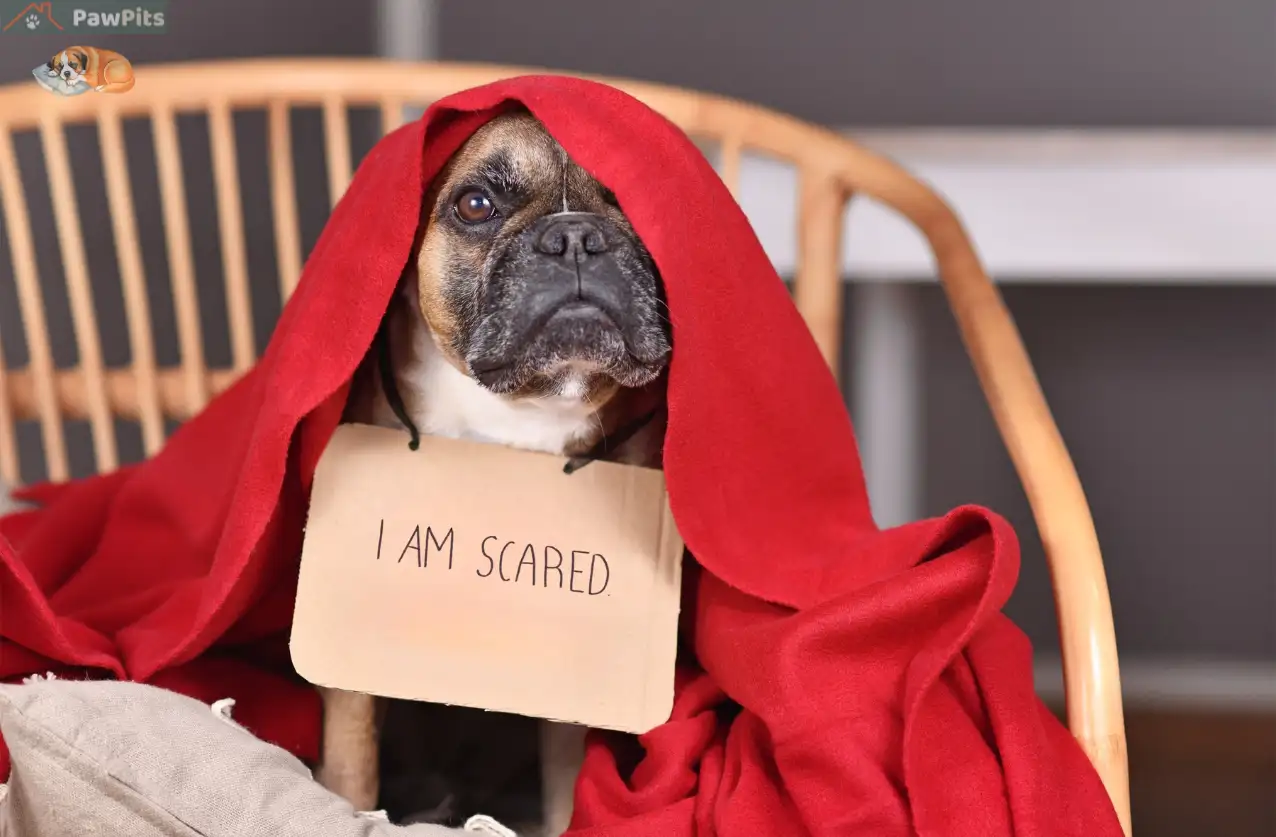
The signs of anxiety in dogs are rarely obvious at first. Most dogs don’t wake up one day visibly panicked or shaking in a corner. Instead, anxiety tends to whisper before it ever shouts. A behavior changes slightly. A routine feels a bit harder. Something about your dog just feels… different, even if you can’t explain why.
That uneasy feeling you get? It’s usually right.
Understanding early anxiety signs isn’t about labeling your dog or jumping to worst-case scenarios. It’s about learning how dogs communicate discomfort long before stress turns into something bigger.
Early Signs of Anxiety in Dogs (Often Overlooked)
Early anxiety signs are subtle and easy to dismiss, especially if your dog is otherwise “well behaved.” These behaviors don’t look dramatic, which is exactly why they’re missed.
Some early signs include:
- Repeated yawning when not tired
- Lip licking with no food present
- Turning the head away during interaction
- Freezing briefly before moving
- Sudden hesitation in familiar situations
- Needing extra encouragement for simple tasks
These behaviors are often mistaken for stubbornness, distraction, or personality quirks. In reality, they’re stress signals. Dogs use them to say, “I’m uncomfortable, but I’m trying to cope.”
Physical Signs That Anxiety Is Building
As anxiety grows, it often begins to show physically. These signs may appear only in certain environments at first, walks, car rides, guests visiting, and then slowly spread.
Watch for:
- Tense posture or stiff movement
- Pacing with no clear goal
- Excessive panting outside of heat or exercise
- Trembling or shaking
- Pinned-back ears or wide eyes
- Sudden shedding during stressful moments
These physical signs don’t always mean panic. They usually mean your dog’s nervous system is working overtime to stay regulated.
Behavioral Changes That Signal Emotional Stress
One of the clearest signs of anxiety in dogs is behavioral change. Not bad behavior, different behavior.
Examples include:
- Becoming unusually clingy or, conversely, more distant
- Following you constantly without settling
- Loss of interest in play or exploration
- Increased reactivity to small sounds or movement
- Restlessness during times your dog used to relax
Owners often say, “They’re just being needy lately” or “They’re suddenly sensitive.” Those shifts matter. Dogs don’t change behavior without a reason.
If anxiety signs appear daily or interfere with your dog’s ability to relax, these dog anxiety disorder symptoms may indicate a deeper issue.
Signs of Anxiety During Daily Routines
Anxiety often shows up during moments that require decision-making or confidence.
Look closely during:
- Leash walks (stalling, pulling, scanning constantly)
- Mealtime (approaching food, then backing away)
- Training sessions (shutting down, avoiding cues)
- Rest periods (inability to fully settle)
A dog who struggles to relax even when nothing “bad” is happening is often dealing with underlying anxiety, not defiance or lack of training.
Signs Owners Commonly Misinterpret
Some anxiety signs look like good behavior on the surface, which is why they’re overlooked.
These include:
- A dog who never breaks rules but seems emotionally flat
- A dog who sits or lies down quickly when unsure
- A dog who avoids attention instead of reacting
These dogs aren’t calm. They’re suppressing stress. And suppression takes energy.
When Anxiety Signs Start to Escalate
If early signs aren’t addressed, they often intensify or spread. A dog who was anxious only outdoors may become anxious indoors. A dog who needed reassurance occasionally may need it constantly.
This is where everyday anxiety can evolve into patterns discussed in [Dog Anxiety Disorder Symptoms], or escalate into episodes explained in [Dog Anxiety Attack].
If your dog shows ongoing stress signals, our guide on the [Anxious Dog] helps break down those early emotional patterns in more depth.
Final Thoughts
The signs of anxiety in dogs aren’t always loud, but they are consistent. They show up in small moments, quiet behaviors, and subtle changes that are easy to ignore until they add up.
If you’re noticing these signs, you’re not overthinking. You’re paying attention. And that awareness gives your dog something incredibly important: the chance to feel understood before anxiety takes over.
That alone can change everything.