
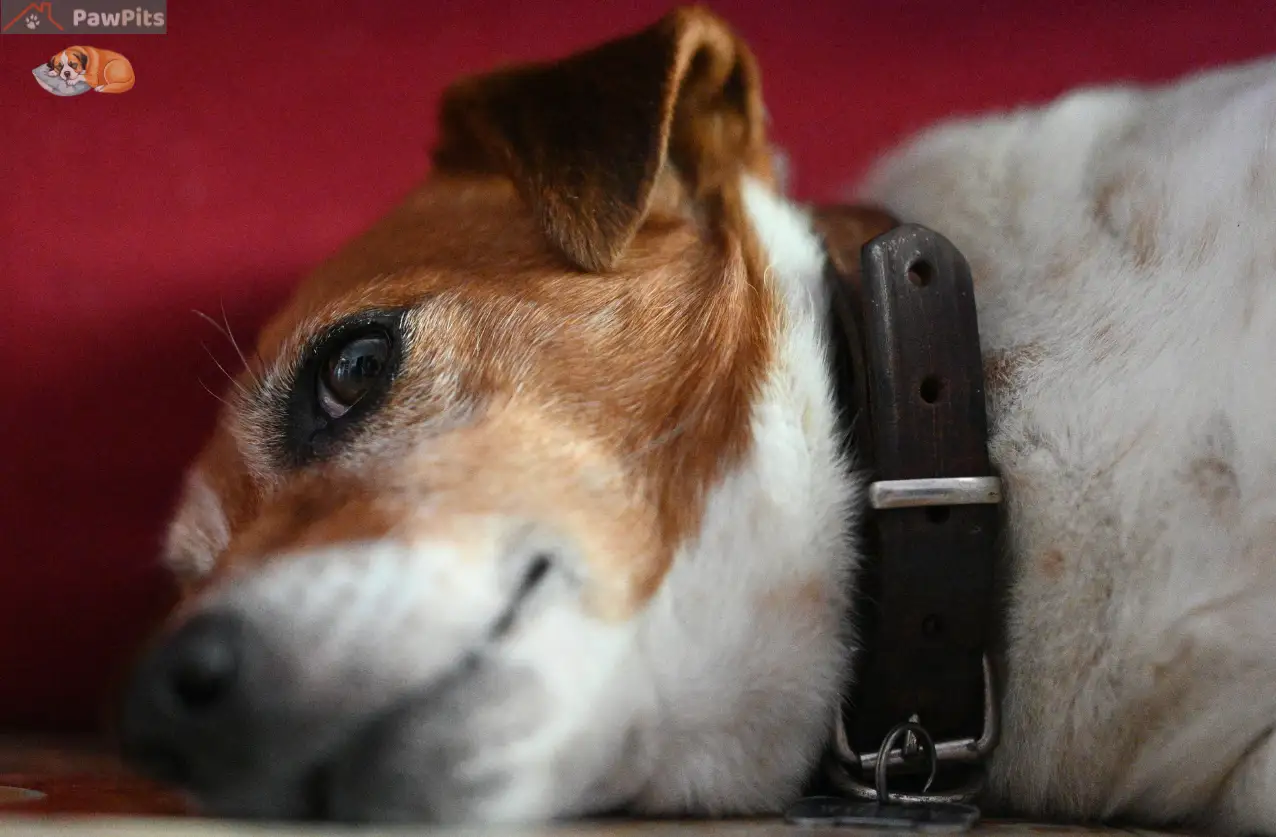
It’s one of the most unsettling questions a dog owner can ask themselves.
Why is my dog anxious all of a sudden?
Yesterday, your dog seemed fine. Not perfect, maybe, but familiar. Predictable. And then something shifts. They pace when they used to nap. They hesitate on walks they’ve done a hundred times. They cling… or pull away. Nothing dramatic happened, at least nothing you can point to. And that’s what makes it worse. The lack of a clear reason.
Here’s the thing most people don’t tell you upfront: sudden anxiety in dogs almost never comes out of nowhere. It feels sudden because the visible signs finally crossed a threshold, not because the anxiety appeared overnight.
This article will help you understand what’s really happening, how to decode the most common hidden triggers, and what your dog may be trying to tell you before anxiety escalates further.
“Sudden” Anxiety Is Usually the Final Signal, Not the First One
When dogs experience emotional stress, they don’t announce it right away. They adapt. They cope. They suppress. Until they can’t.
Anxiety often builds quietly, stacking over time. A little stress here. A small disruption there. None of it seems serious on its own, until one small thing tips the balance.
That’s when owners say, “This came out of nowhere.”
In reality, the signs were probably there, just subtle enough to blend into daily life.
If you’ve noticed small changes before the anxiety spiked, hesitation, restlessness, clinginess, you may want to read our guide on the anxious dog, which breaks down those early emotional signals in more detail.
Environmental Changes Dogs Feel More Deeply Than We Do
Dogs are extremely sensitive to changes in their environment, even ones humans barely register.
Some common environmental triggers include:
- A change in household routine
- New work schedules or longer absences
- Rearranged furniture
- Construction noise nearby
- New smells from renovations or cleaning products
- Seasonal changes affecting daylight and noise levels
What feels minor to us can feel destabilizing to a dog who relies on predictability to feel safe. Dogs don’t understand why things changed, only that their world no longer feels the same.
Even positive changes, like moving to a larger home or welcoming a new family member, can create anxiety simply because they disrupt the familiar.
Emotional Contagion: When Your Stress Becomes Your Dog’s Stress
This one is uncomfortable, but important.
Dogs are remarkably attuned to human emotional states. They read tone, posture, breathing, micro-expressions, even when we think we’re hiding stress well.
If you’ve been:
- More anxious yourself
- Emotionally overwhelmed
- Going through a life transition
- Dealing with health, work, or family stress
Your dog may be reacting to you, not the environment.
This doesn’t mean you caused your dog’s anxiety, but it does mean dogs often mirror emotional energy before we’re consciously aware of it.
Pain, Discomfort, and the Anxiety Connection
One of the most overlooked causes of sudden anxiety in dogs is physical discomfort.
Pain doesn’t always look like limping or crying. It can show up as:
- Avoidance
- Irritability
- Startle responses
- Restlessness
- Withdrawal
- Sudden fear in previously neutral situations
When a dog doesn’t feel physically safe in their body, their nervous system stays on alert. That alertness often gets labeled as anxiety.
If anxiety appears abruptly and doesn’t respond to environmental changes, a veterinary check is always a wise first step.
Trigger Stacking: Why Anxiety “Suddenly” Explodes
Trigger stacking happens when multiple stressors pile up before your dog has time to decompress.
Imagine this sequence:
- Poor sleep
- Loud noise earlier in the day
- Missed walk
- Unexpected visitor
- Then one small stressor, like a door slamming
That final event didn’t cause the anxiety. It just pushed your dog past their coping capacity.
This is often how anxiety escalates into more intense episodes. If your dog has experienced sudden panic or fear responses, our article on dog anxiety attack explains what’s happening in those moments.
Why Adult Dogs Can Become Anxious “Out of Nowhere”
Many owners assume anxiety must start in puppyhood. Not true.
Adult dogs can develop anxiety due to:
- Aging and cognitive changes
- Reduced sensory input (vision or hearing loss)
- Accumulated stress over years
- Past experiences resurfacing
- Decreased resilience as routines change
Anxiety doesn’t always mean something new happened. Sometimes it means your dog’s ability to cope has changed.
Subtle Signs Owners Often Miss Before Anxiety Peaks
Before anxiety becomes obvious, dogs usually communicate through small behavioral shifts.
These include:
- Increased checking behavior
- Slower responses to cues
- Reduced playfulness
- Over-alertness
- Difficulty settling
- Slight avoidance
These early signals are explored in depth in our guide on signs of anxiety in dogs, which can help you catch stress before it escalates.
When Sudden Anxiety Becomes a Pattern
If your dog’s anxiety doesn’t fade after a few days or weeks, it may be evolving into something more persistent.
Red flags include:
- Daily anxiety behaviors
- Anxiety spreading to new environments
- Difficulty resting even at home
- Emotional shutdown or hypervigilance
- Increasing intensity over time
These patterns are covered more deeply in dog anxiety disorder symptoms, especially if the anxiety feels chronic rather than situational.
What Not to Do When Anxiety Appears Suddenly
When anxiety shows up unexpectedly, it’s natural to panic, but certain reactions can unintentionally make things worse.
Avoid:
- Forcing exposure to “prove” nothing is wrong
- Punishing anxious behaviors
- Over-reassuring during panic moments
- Changing everything at once
- Ignoring early signs because they seem minor
Anxiety improves through stability, not pressure.
How to Help Your Dog When Anxiety Appears Suddenly
Support starts with slowing things down.
Helpful steps include:
- Re-establishing predictable routines
- Reducing environmental stimulation
- Increasing calm, low-pressure activities
- Allowing choice instead of forcing engagement
- Creating a consistent decompression space
Longer-term solutions depend on what’s driving the anxiety. If you’re ready to explore structured approaches, our guide on dog anxiety treatment walks through what actually helps, and what doesn’t.
Why Trust Matters More Than Fixing
When dogs feel anxious suddenly, they’re not asking for immediate solutions. They’re asking for safety.
That safety comes from:
- Being believed
- Having their signals respected
- Knowing their discomfort won’t be ignored
- Feeling supported, not corrected
Dogs remember how we respond during moments of fear. Those moments either strengthen trust, or weaken it.
Final Thoughts: Sudden Anxiety Is a Message, Not a Mystery
If you’re asking, “Why is my dog anxious all of a sudden?” it means you noticed something important.
Sudden anxiety doesn’t mean your dog is broken. It doesn’t mean you failed. It means something in your dog’s world shifted, emotionally, physically, or environmentally, and their nervous system is asking for help.
And the good news?
When anxiety is recognized early, supported patiently, and approached with understanding, many dogs recover faster than owners expect.
Sometimes the most powerful thing you can do is simply stop asking, “What’s wrong with my dog?” and start asking, “What is my dog trying to tell me?”
That shift alone changes everything.